Design exploration · Peppermint
Beautiful, slightly wrong
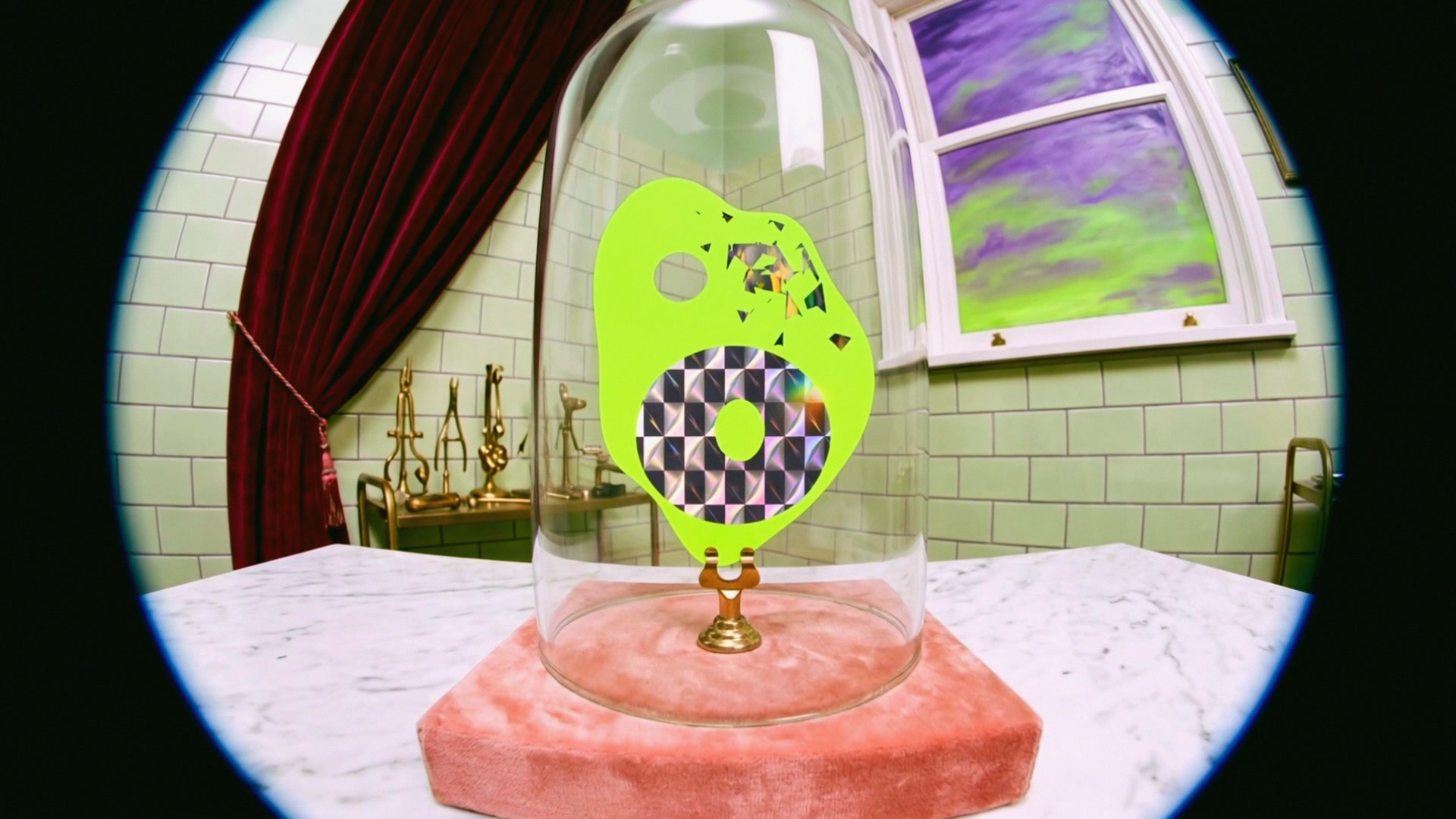
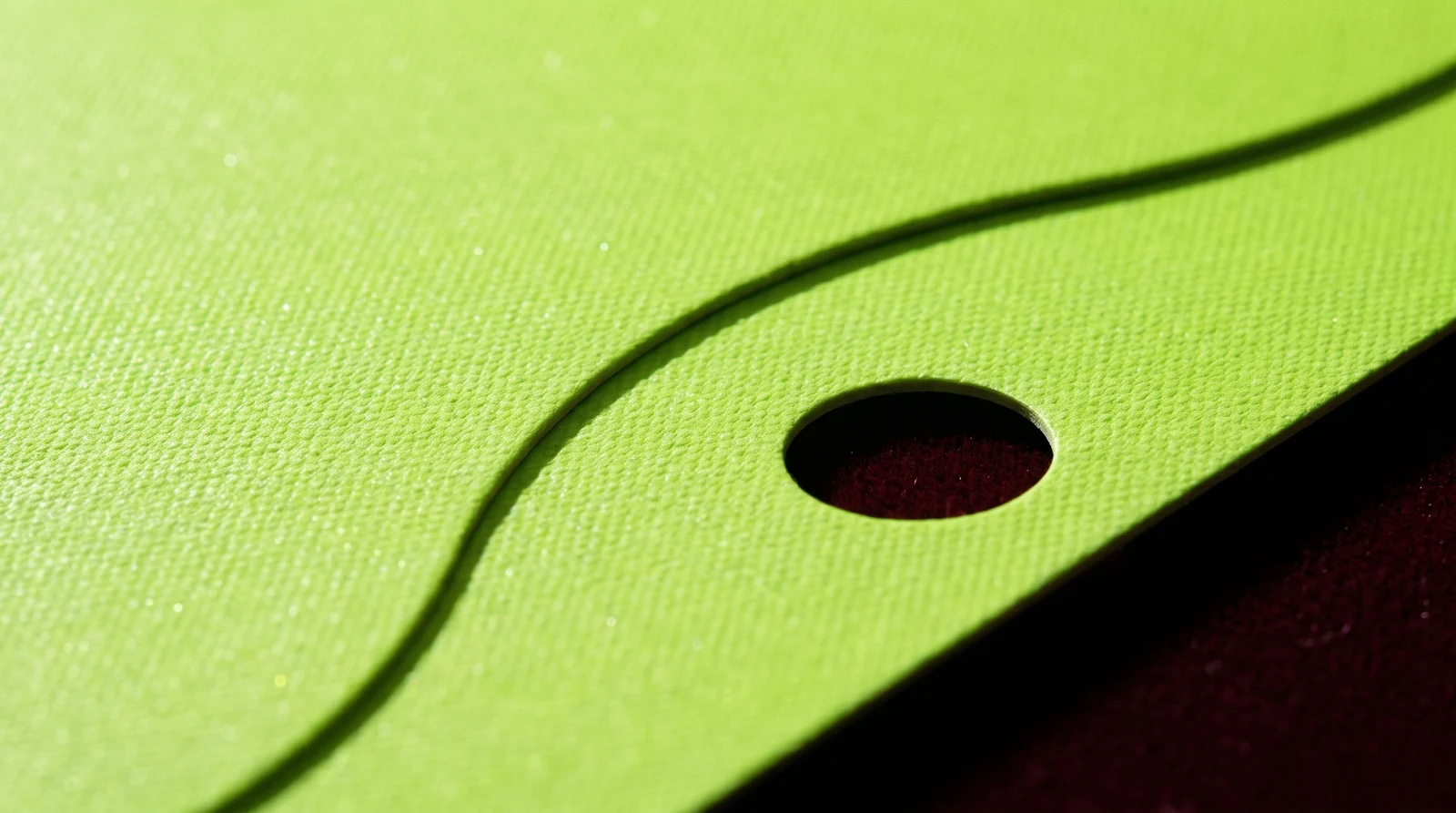
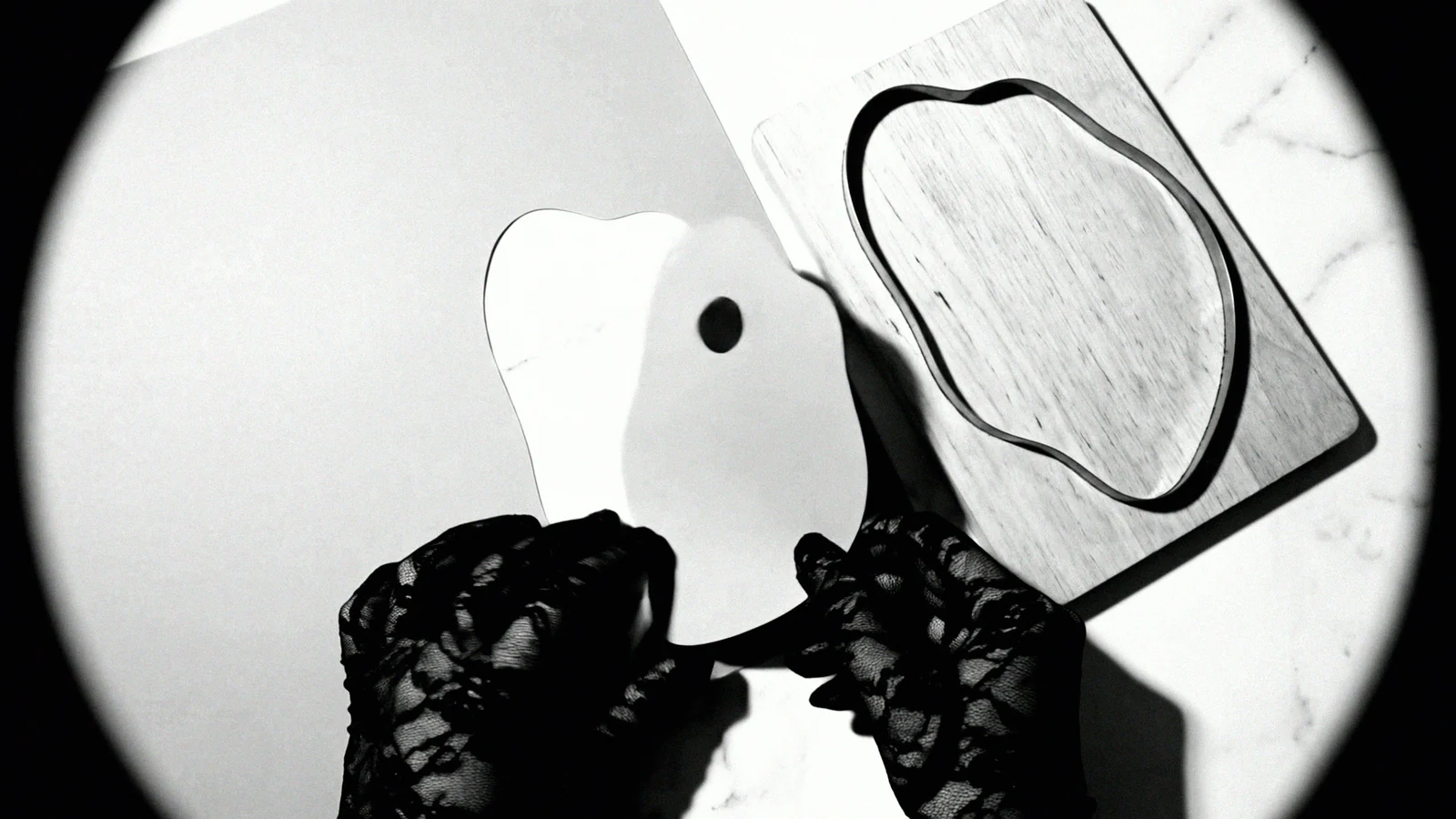
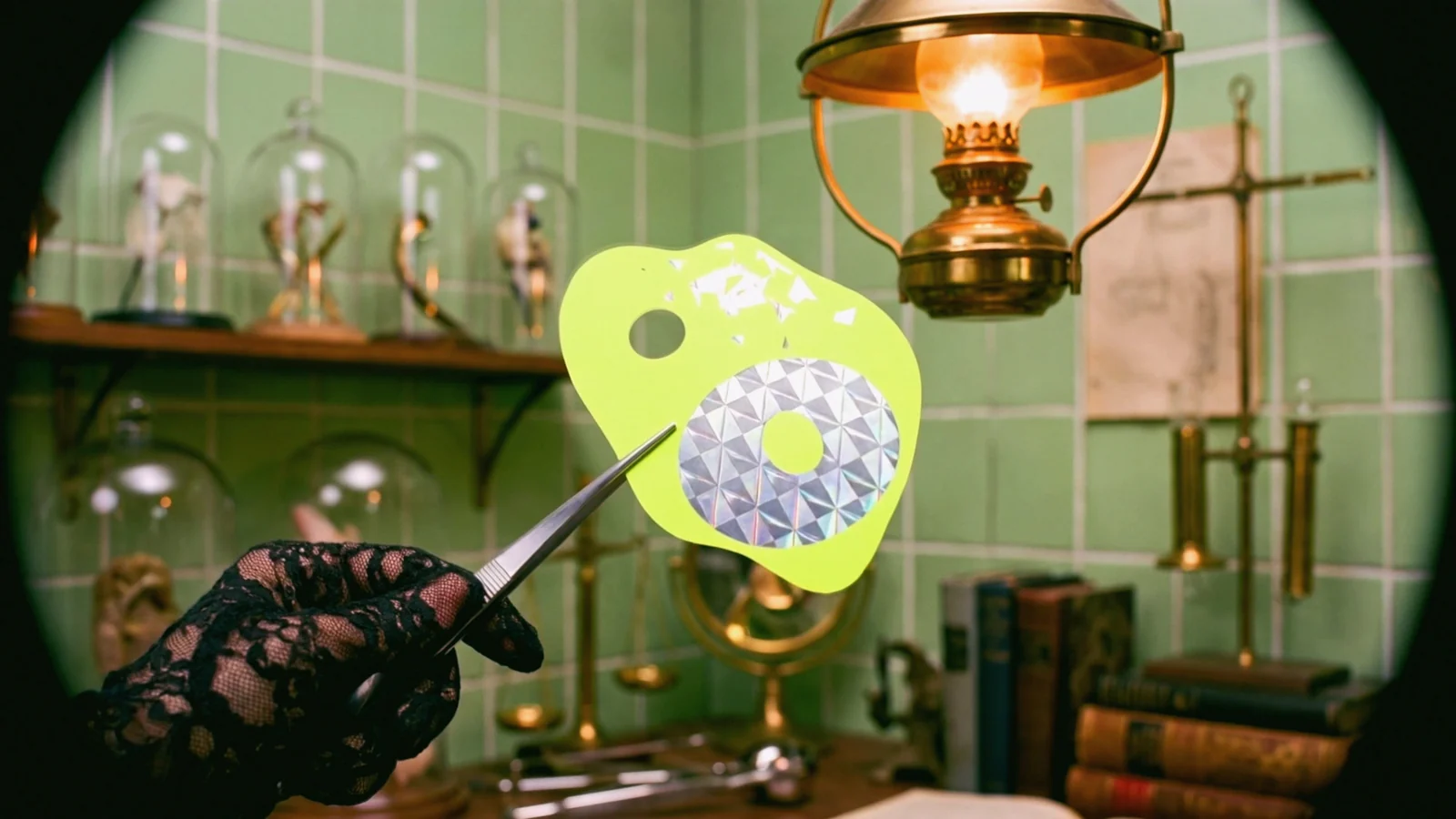
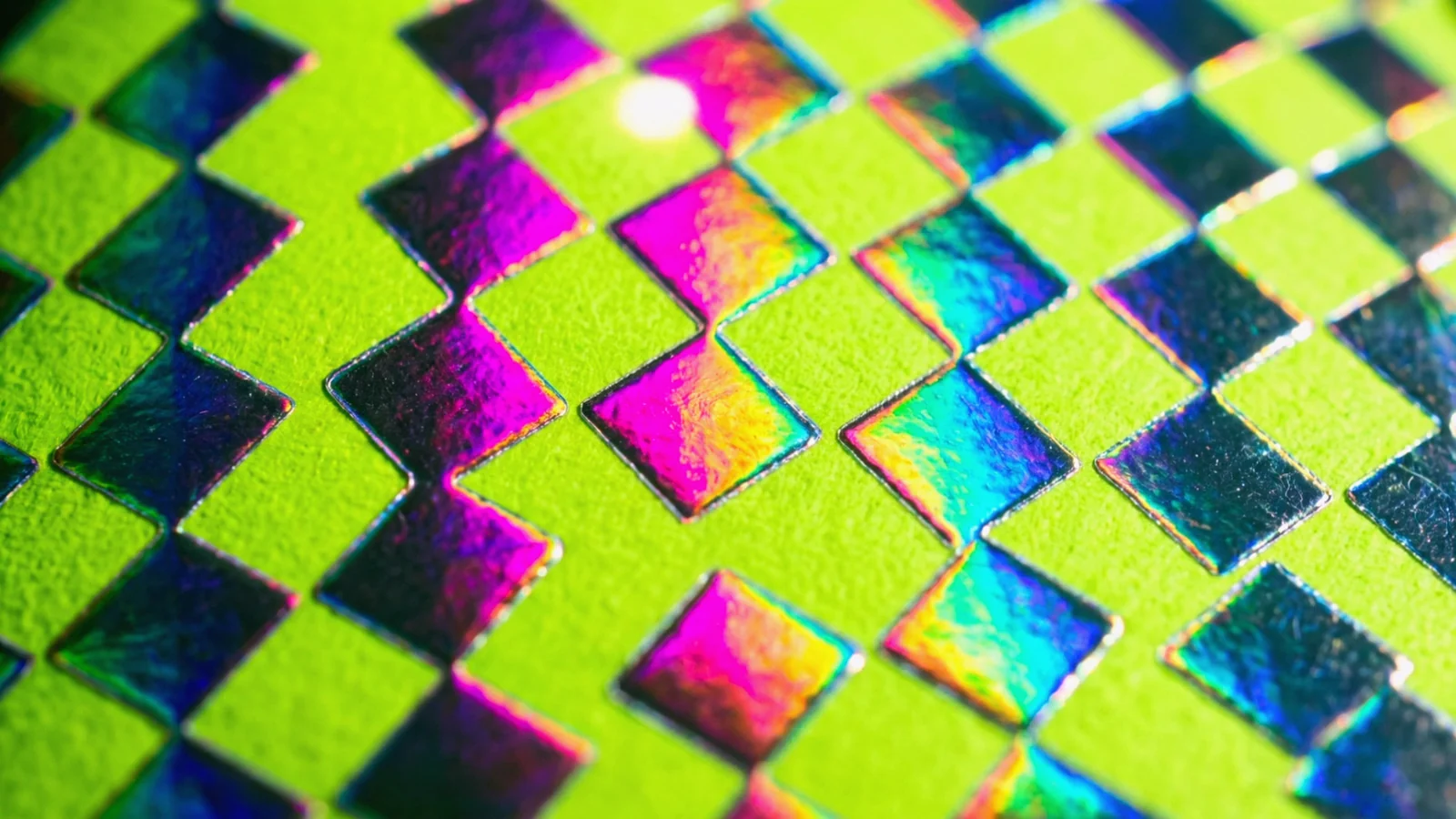
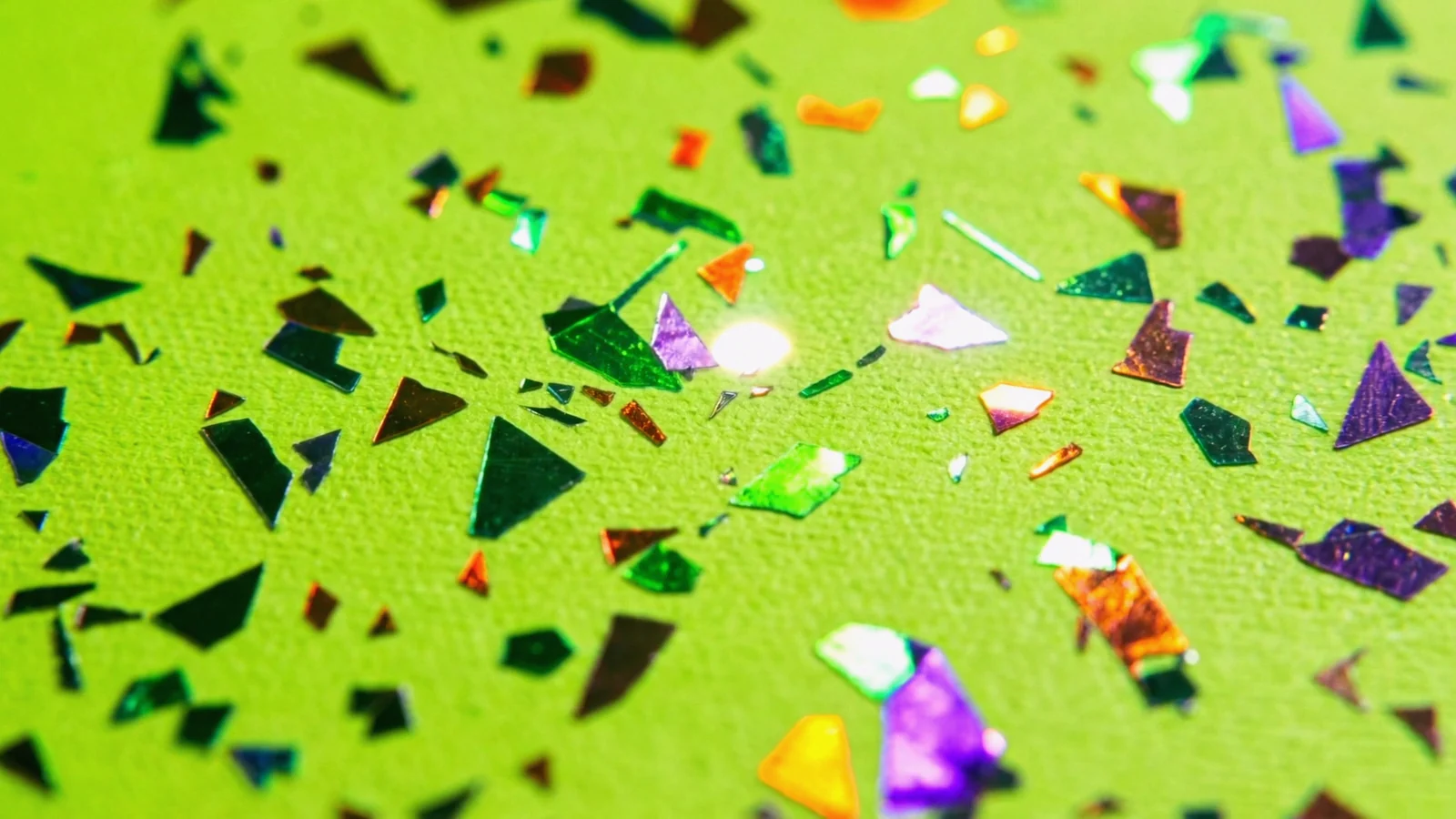
A design exploration on Gmund Action Nuclear Acid, a 310 g/m² neon green board. The card is a soft, asymmetric die-cut with one round hole, stamped in two passes with two silver holographic pattern foils, Prism Squares and Cat's Eye, each on bare paper. Nothing is printed.
The idea
The paper is the colour. The foil is the light.
Four rules
- 01The loudest sheet, left bare. Gmund Action Nuclear Acid at 310 g/m², with nothing printed on it. The paper carries all the colour.
- 02One sheet, unpainted edges. A single 310 g/m² sheet with the edges left alone. The shape does the work the thickness would have done.
- 03Two foils that never touch. Silver Prism Squares as a ring around the lower half; Silver Cat's Eye as scattered shards across the top. Each is stamped on bare paper in…
- 04A shape with no corners. A soft, asymmetric outline and one round hole, every curve generous, with both foils kept clear of the cut.
The idea
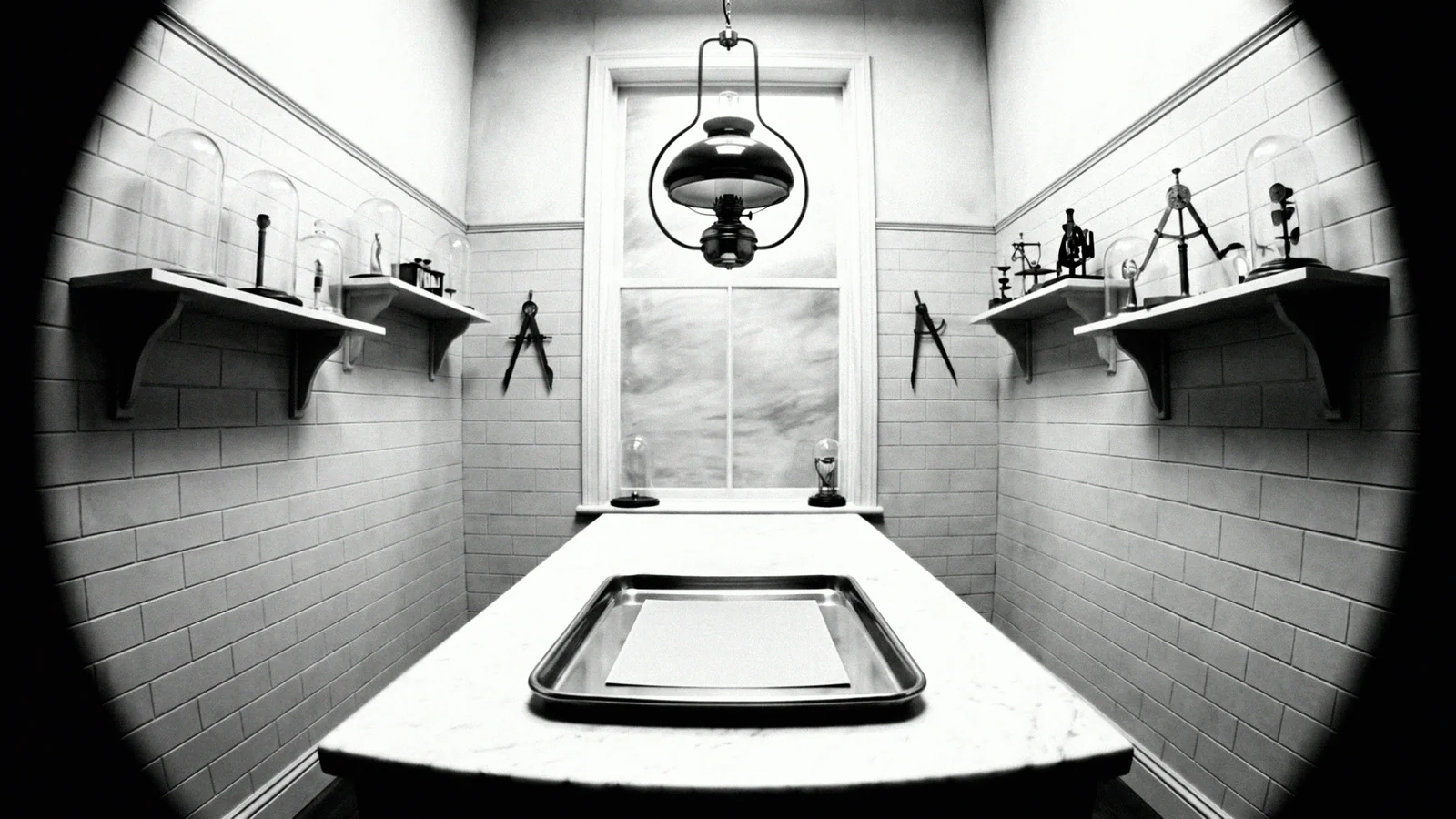
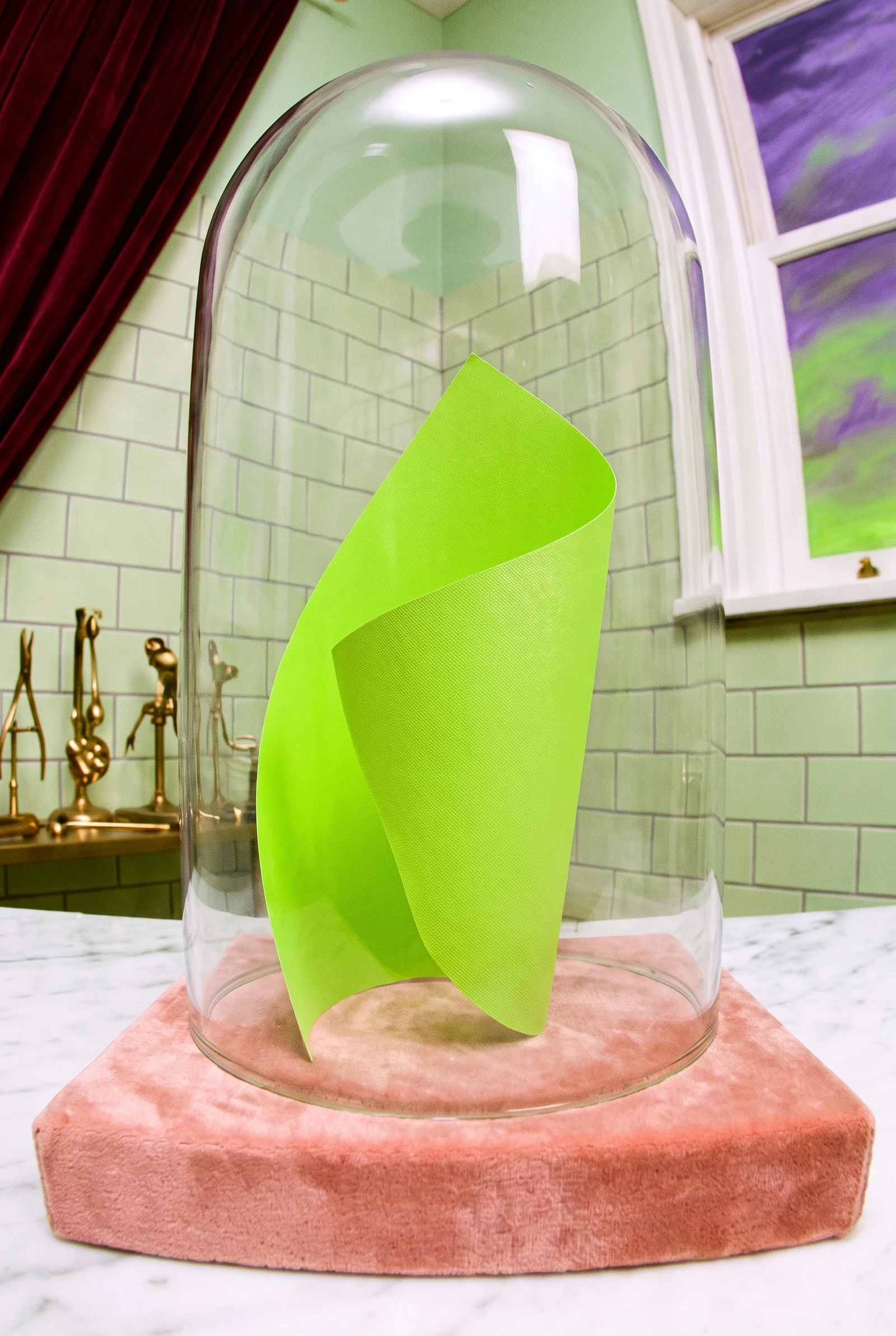
Specimen is the first film in a new look we're trying: beautiful and slightly wrong. The brief we set ourselves was a calling card for an invented anatomist's study.
We took one sheet of the loudest paper in our library, cut it into a shape nobody asked for, and pressed two holographic foils into it. There's no ink anywhere on the card.
About the paper
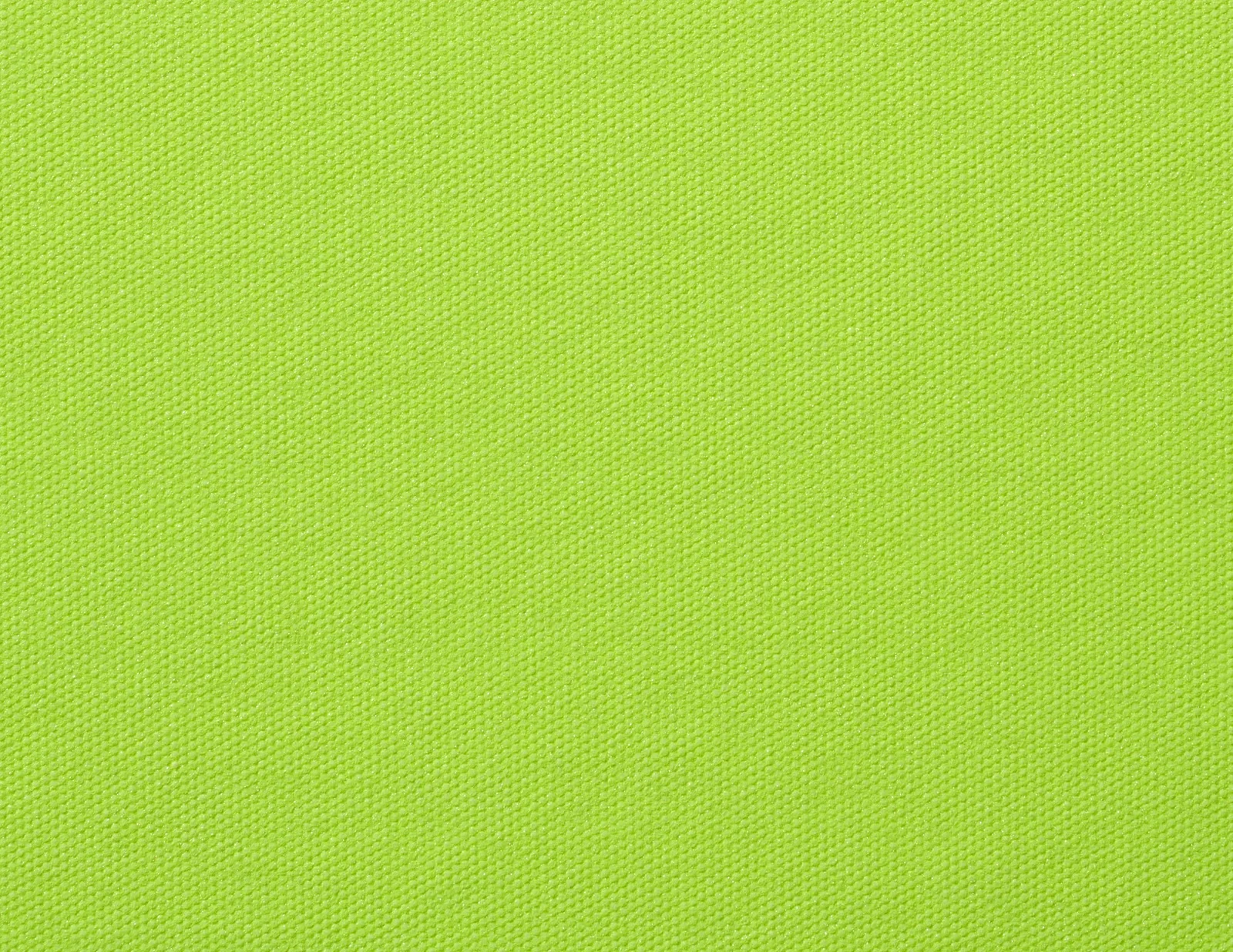
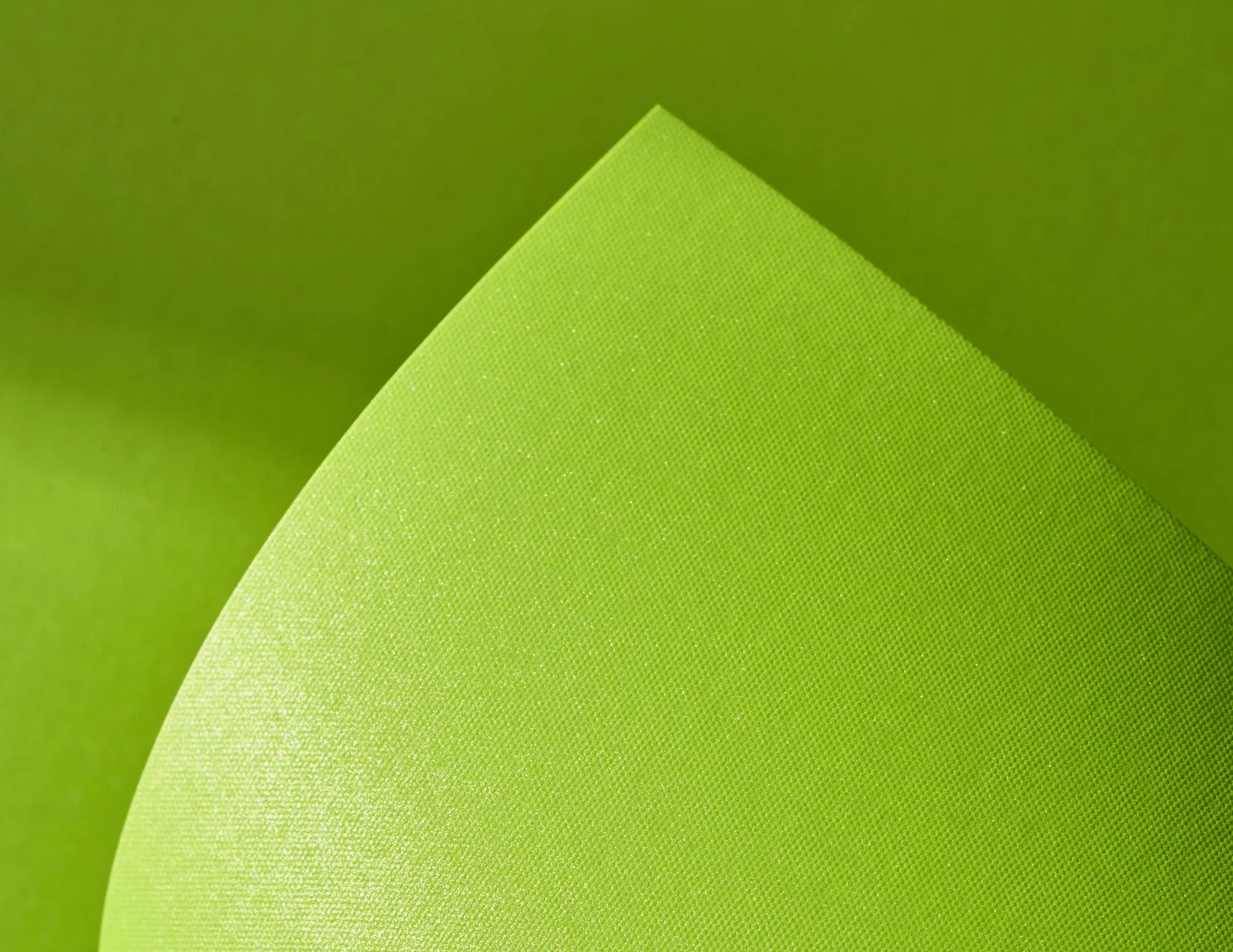
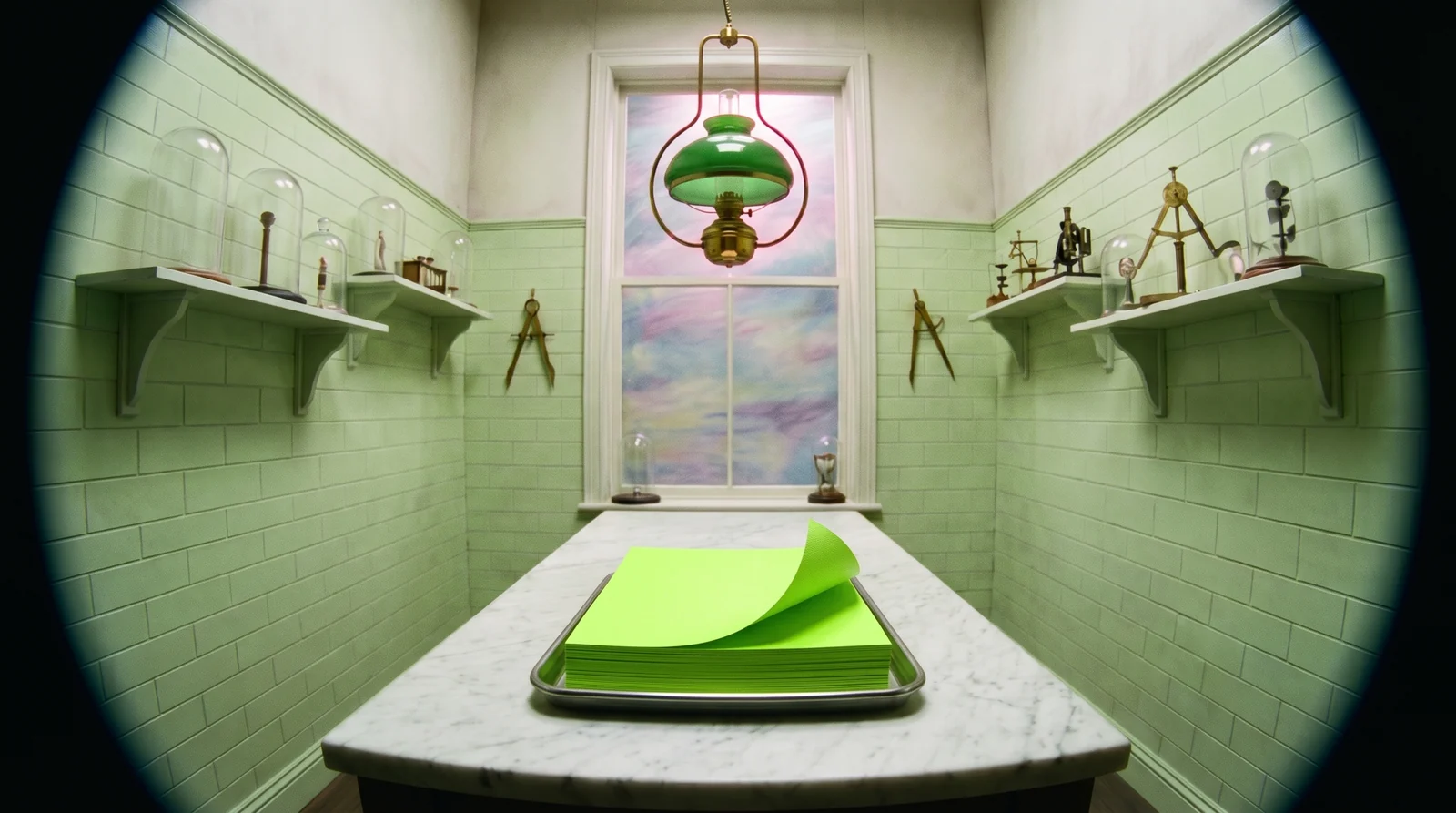
Gmund Action is made by Gmund, the Bavarian paper mill, as a board for work that has to look like nothing else on the table. The surface is embossed with a fine, fabric-like texture and carries a faint mica sparkle. Nuclear Acid is the range's neon lime: it reads green-yellow in daylight and almost glows under a lamp.
It comes at 310 g/m². Gmund lists offset, letterpress, silkscreen, blind embossing and hot foil for it, plus die-cutting. It is acid-free and pH-neutral, and the top side of the sheet is the one meant to face out.
Living with neon and foil
Gmund notes that the neon shades in Action have reduced light fastness: weeks of direct sun will shift the colour. In a wallet or on a desk that never matters; in a shop window it does.
Gmund also notes that metallic foil on its finished Action sheets can oxidise, and suggests a clear varnish under large foil areas. We test-stamp every foil on the actual sheet before a run.
Holographic foil needs one hard light to split into colour. Under soft, even light it reads as dark chrome, which is exactly what makes it look alive against neon.
Make your own
Open this pairing in Studio with your own name, or browse Nuclear Acid and both foils in the materials library. We check every curve, gap and foil edge against the press before anything is made.
Start from these materials
Same paper, foil and finish, locked in — nothing of this piece artwork comes with it.
Questions
- What is Gmund Action Nuclear Acid?
- A fluorescent lime-green board from Gmund's Action range, made in Bavaria. It has a fine, fabric-like embossed texture with a faint mica sparkle, at 310 g/m².
- Can you print on Gmund Action paper?
- Yes, with offset, letterpress, silkscreen, blind embossing and hot foil. The surface doesn't absorb ink, so offset needs oxidative inks and about 48 hours to dry. Gmund says it isn't suitable for laser or inkjet printers.
- Does holographic foil work on neon paper?
- Yes. Silver holographic foil reads as dark chrome until a light hits it, so it stands out hard against a neon ground. Stamp each foil on bare paper in its own pass, and test it on the actual sheet first.
- Do neon papers fade?
- They can. Gmund notes that the neon pigments in Action have reduced light fastness, and direct sunlight will shift the colour. Cards kept in wallets and drawers are fine; window displays aren't.
- Can a business card be die-cut into any shape?
- Nearly any shape with generous curves. A steel-rule die struggles with very tight inside corners and thin necks, and foil should stay clear of the cut line.
Art direction by Peppermint. Invented brand. The card faces are built from photographs of the real paper and our real foil swatches; sets and motion are AI-assisted.