Custom gift boxes, engineered around what's inside
We make custom gift boxes the way we make our cards: real hot foil, blind deboss and printed interiors, on a structure drawn around your product. Rigid lid-and-base and magnetic boxes for the gift moment; mailers and folding cartons for the post and the shelf. Past custom box projects have run about 1 400 $US–2 000 $US for the whole run, set by size, quantity, wrap and finish (context, not a quote). Runs usually start around 100 boxes, and shorter pilot runs are quoted on request. Production takes about three weeks after you approve the proof, with a prototype stage before it. Estimates, not promises.
Get a price
About 3 weeks after proof approval, an estimate. Freight quoted with your boxes.
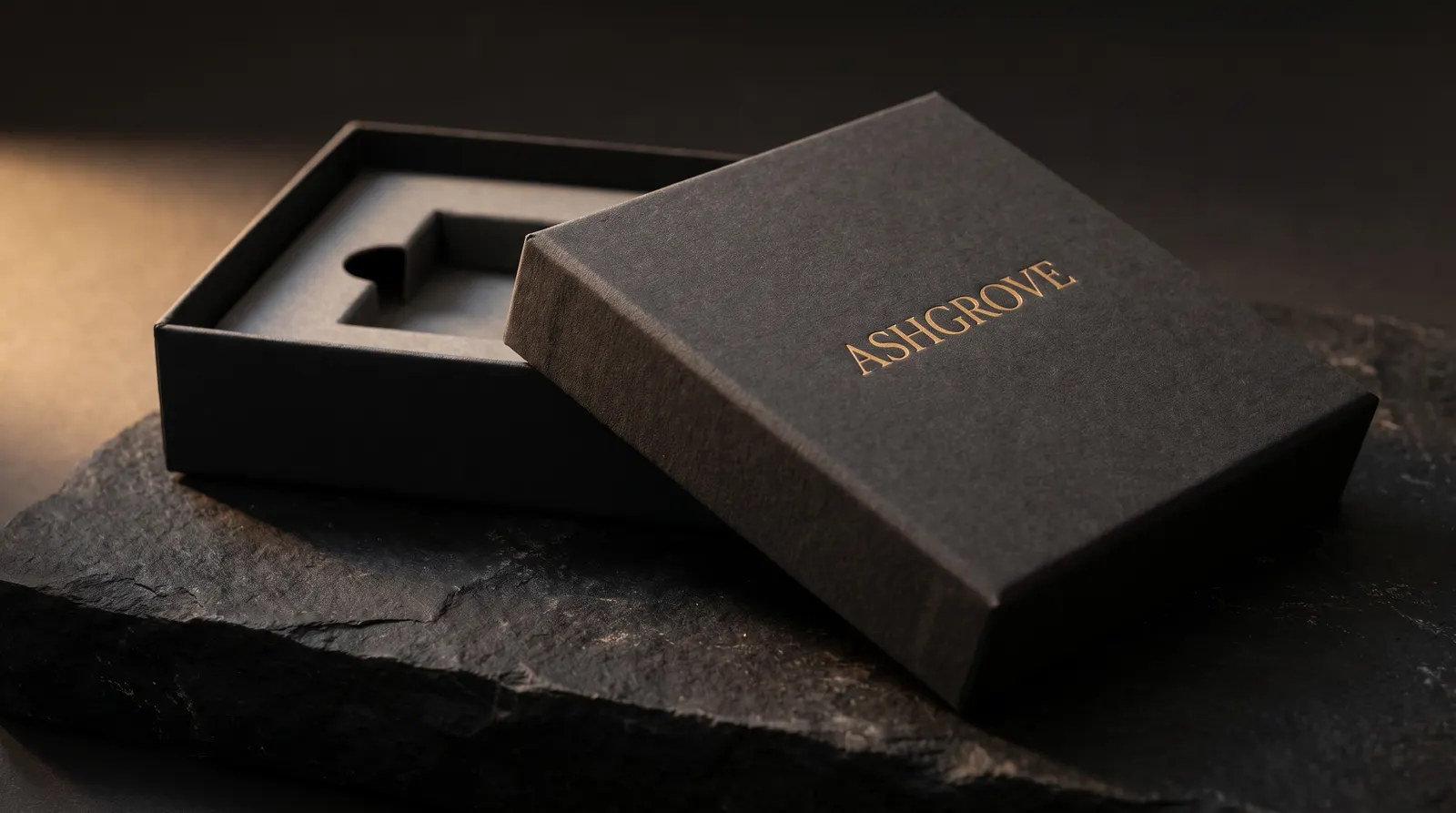
A human checks every proof.
Structure, dieline and artwork are reviewed by a person before anything goes to press.
Prototype before the run.
You hold a physical sample of the structure before we produce the order.
Freight quoted with your boxes.
Finished boxes ship by volume, so we price freight with the job and you see it before you approve.
Four box types, priced from the start
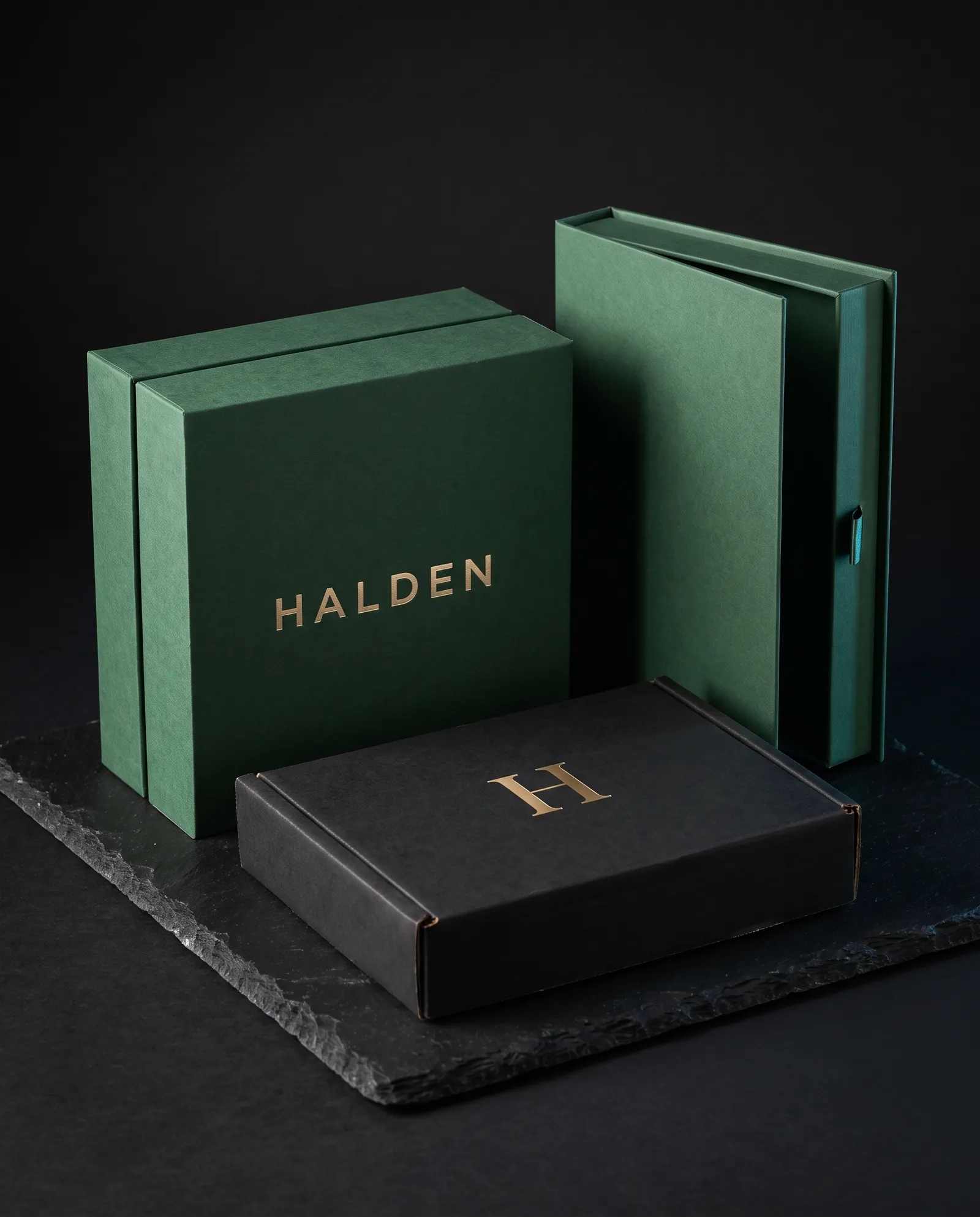
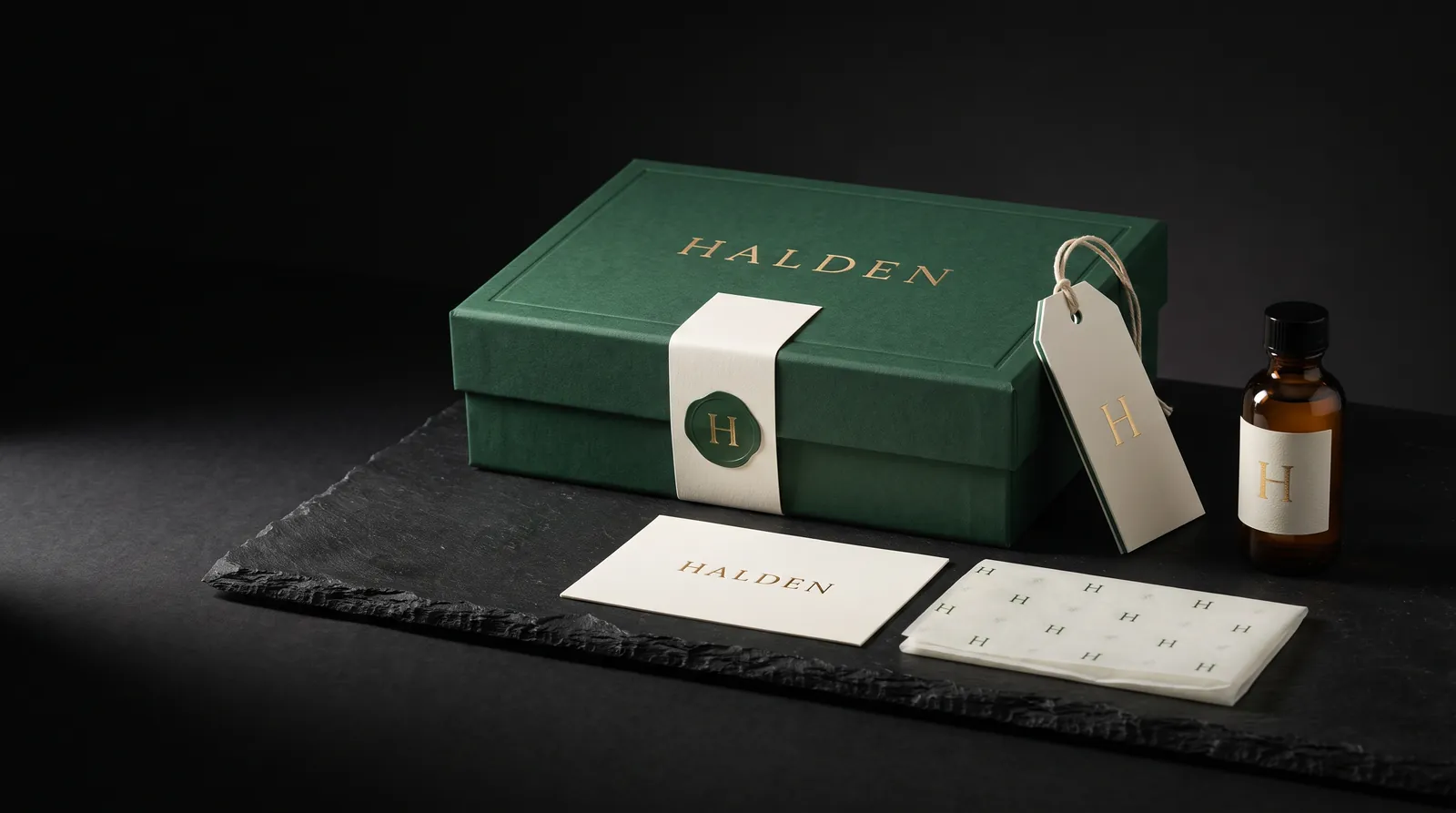
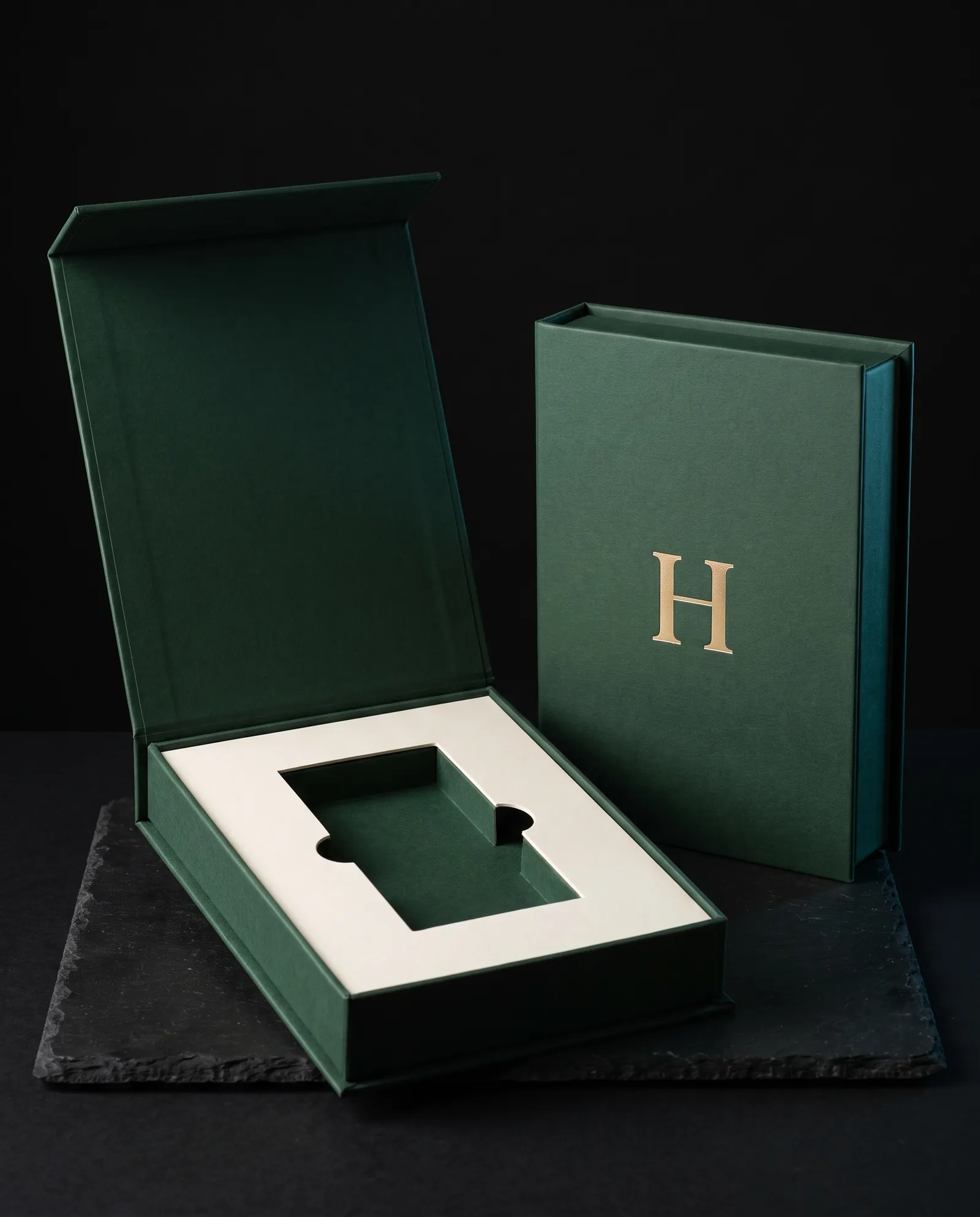
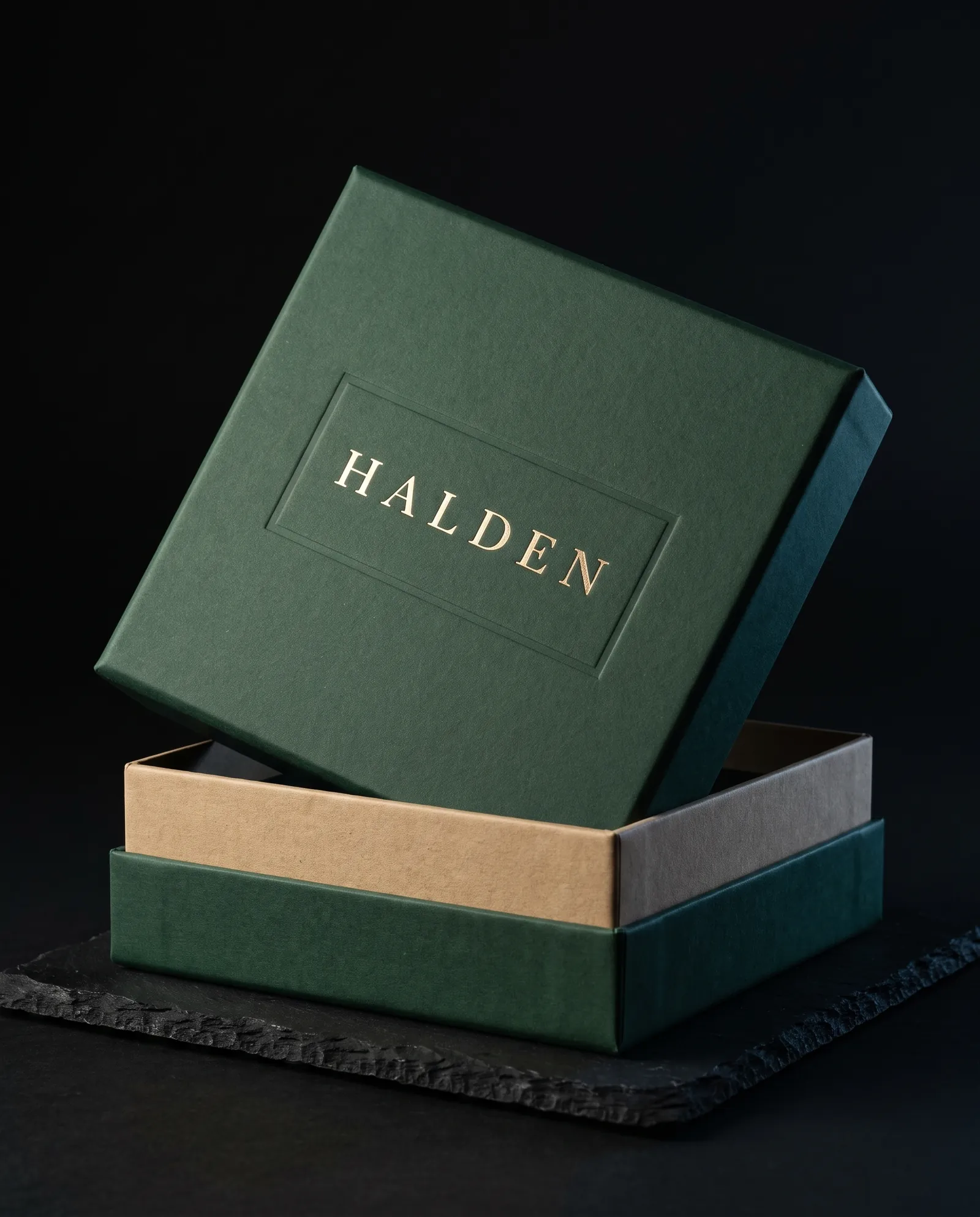
Custom gift boxes, by structure
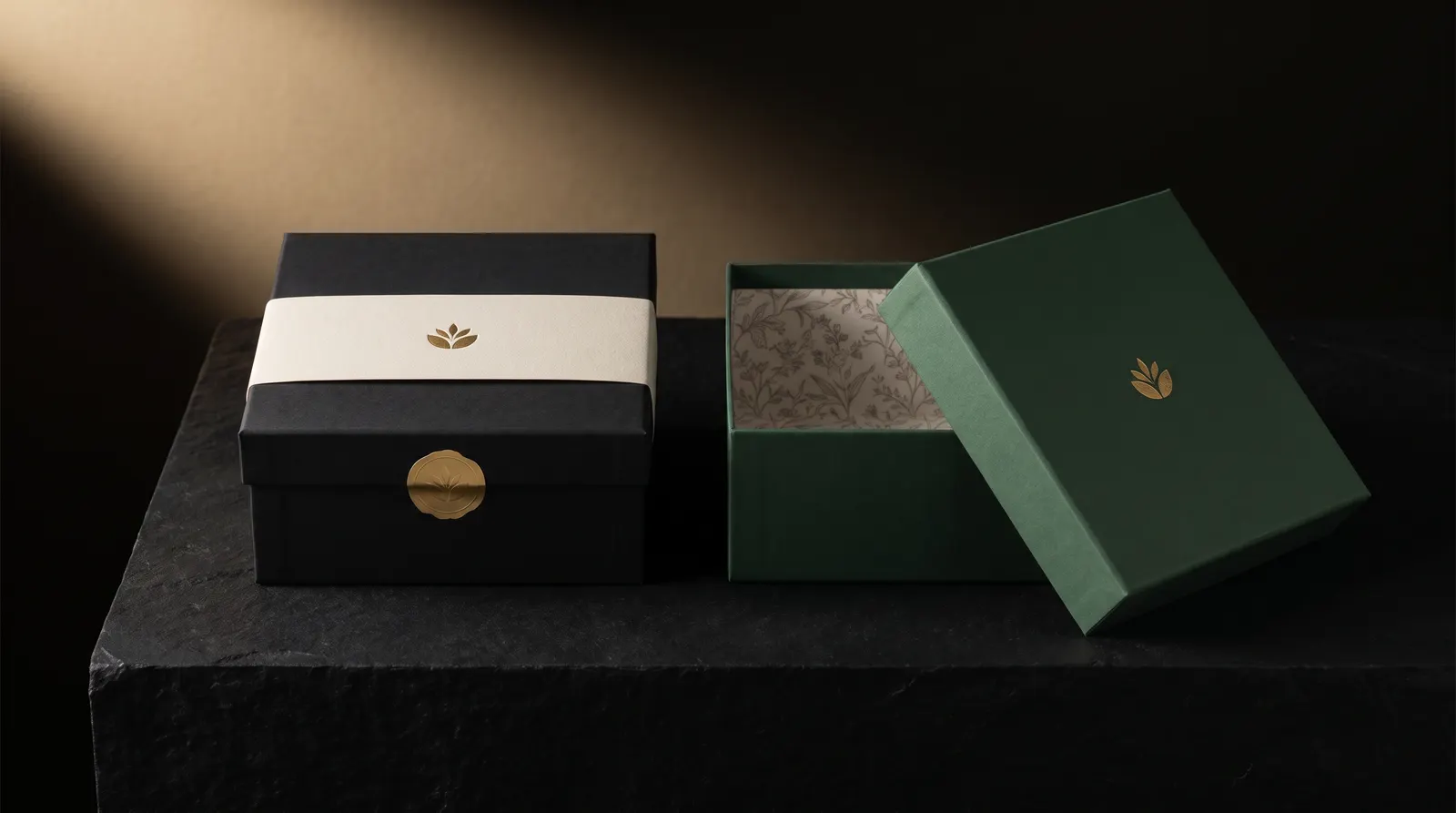
The structure decides how a box feels before anyone reads a word on it. It also decides most of the cost. Pick the structure first, then the finish. If you're not sure, start with a rigid lid-and-base box: it's what most people mean by a gift box, and its uncoated paper wrap holds a crisp foil and a clean deboss.
Which box structure fits your product
| Structure | How it feels | How it ships | Where the money goes | Go deeper |
|---|---|---|---|---|
| Rigid lid & base (two-piece) | Solid walls, a lid that lifts off slowly. Reads as a gift. | Arrives already built; needs an outer shipping carton. | Board, the wrap paper, hand assembly, freight by volume. | Custom rigid boxes |
| Magnetic book box | A hinged flap that closes with a soft snap from magnets hidden under the wrap. | Arrives built; needs an outer carton. | Everything a rigid box costs, plus the magnets and the hinge. | Quoted with custom magnetic boxes |
| Drawer box | A tray that slides out of a sleeve. Slower, more theatrical reveal. | Arrives built; needs an outer carton. | Two rigid parts instead of one, plus a pull tab or ribbon. | Quoted: start in the Studio |
| Mailer box (corrugated) | Light and sturdy. Snaps into shape and locks with a tuck. | Ships flat to you; goes through the post on its own. | Board grade, print coverage, inside print, any foil. | Quoted: start in the Studio |
| Folding carton (tuck box) | Thin board, crisp folds. Retail shelf and small products. | Ships flat to you; packed inside a mailer to post. | Board colour, the cutting die, the foil die. | See our own samples box |
| Sleeve or belly band | A printed wrap around a plain box. | Ships flat. | Paper, one foil, size. | Belly bands & sleeves |
Minimums depend on the structure. Rigid and magnetic boxes usually make sense from about 100; we quote shorter pilot runs when a launch or a gifting list calls for them. Tell us the quantity you actually need and we'll price that, not a number that suits us.
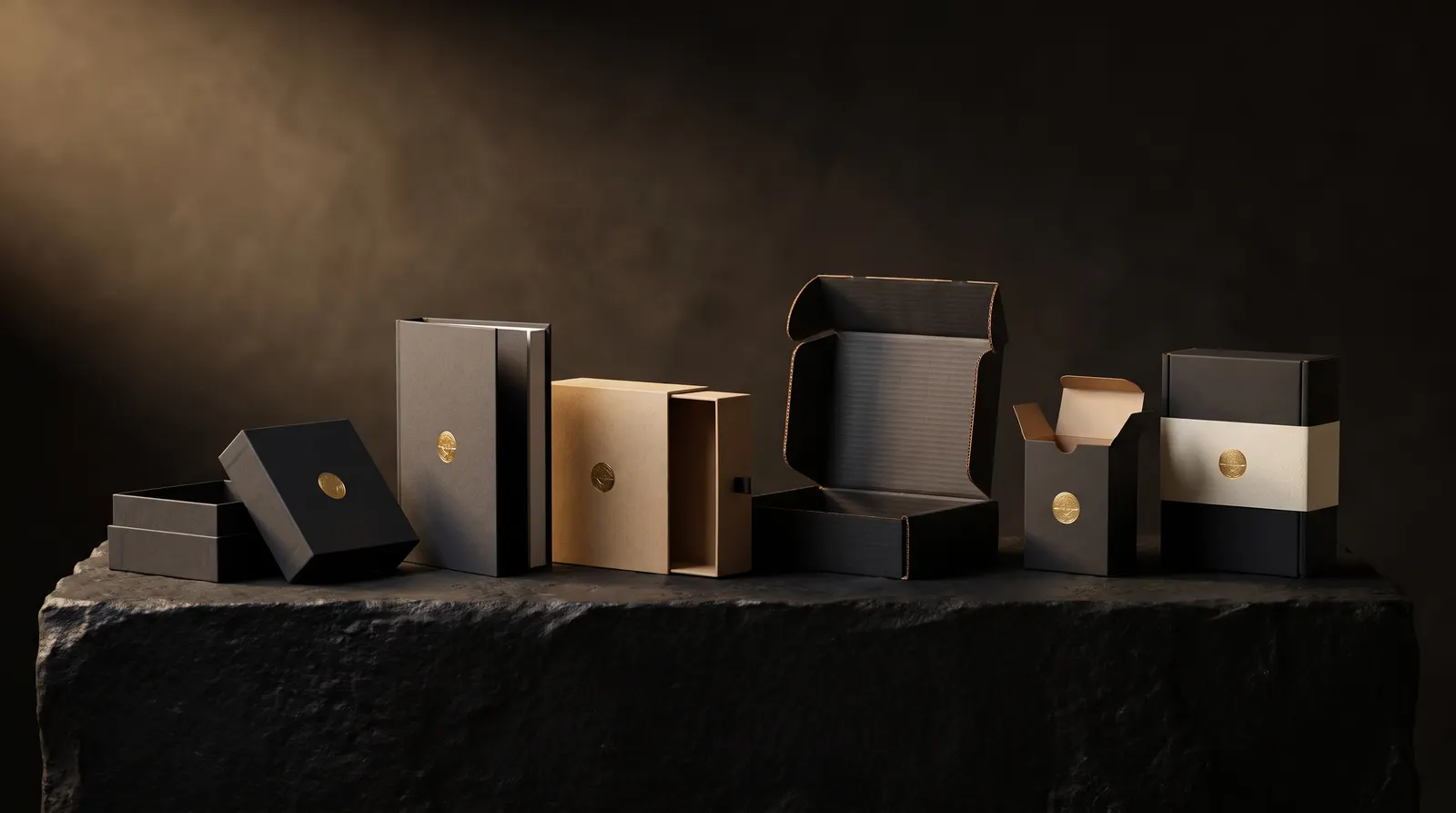
Mailer or rigid changes how the box feels
A mailer box is corrugated board, scored and creased so it folds flat, snaps into shape and locks with a tuck. It's the e-commerce shipper: light, sturdy, and it needs no void fill when the fit is right. The strength is in the flute, the wavy layer inside the board.
A rigid box is a different animal, and it's what most luxury gift boxes are. Chipboard walls, wrapped in printed or specialty paper, assembled before it ever reaches you. It doesn't fold and it doesn't flex. That stillness in the hand is what people read as a gift rather than a delivery.
The honest trade-off: a rigid box can't go through the post on its own. It travels inside a carton, and because it arrives built, you pay to ship air. A mailer is its own shipper and arrives flat.
Tell us the product, its weight and how it travels. We'll recommend one, and tell you why the other one was wrong for it.
Foil, deboss and soft-touch on a box
Finishes behave differently on board than on a business card, and a box has edges, folds and a courier to survive. Here's how we plan them.
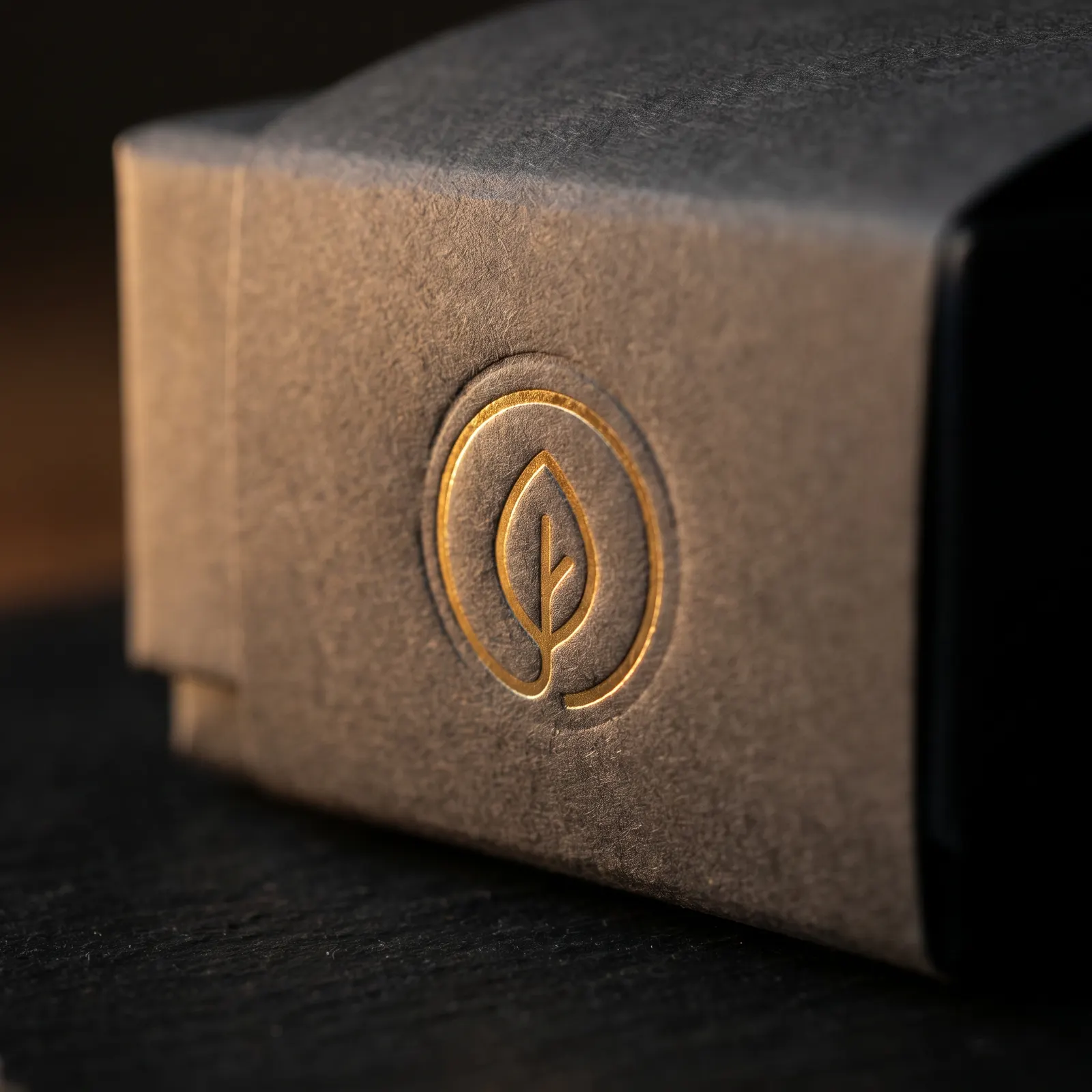
Hot foil is a metal film pressed onto the wrap with heat and a die. It's our default for a logo on a lid, because it reads on any colour of paper, dark ones included. Fine detail survives foil: lines hold to 0.1 mm; we design to 0.15 mm, with internal gaps around 0.25 mm. We adjust only below-floor details and keep the mark’s character. On kraft corrugated, the flute can show faintly through a large solid stamp, so on mailers we keep foil tight and graphic rather than sprawling. Black foil on a natural kraft wrap is the least expensive thing that still feels like a gift; see the Fletcher box. If you want that black foil embossed as well, we keep the emboss shallow, because a deep one makes black foil bridge and lose its edge.
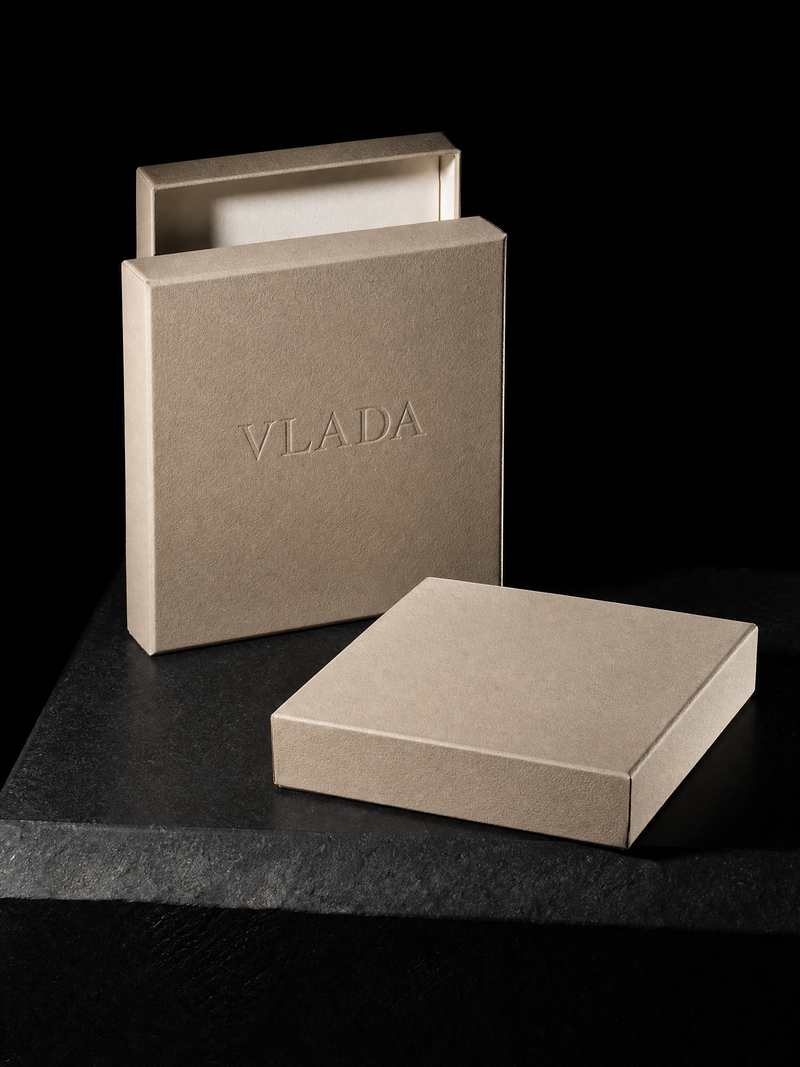
Blind deboss and emboss press the mark into or out of the paper, with no ink. They need an uncoated wrap that can take the shape. We emboss the wrap flat, before it goes onto the board, so the impression stays crisp at the corners; the Vlada box is a name blind-embossed into sand Colorplan, and nothing else. Two rules: an impression won't seat in soft-touch laminate, so if you want both, the deboss goes on an uncoated wrap; and a blind deboss on black paper is very quiet, so if the mark has to be read, we put foil in the impression.
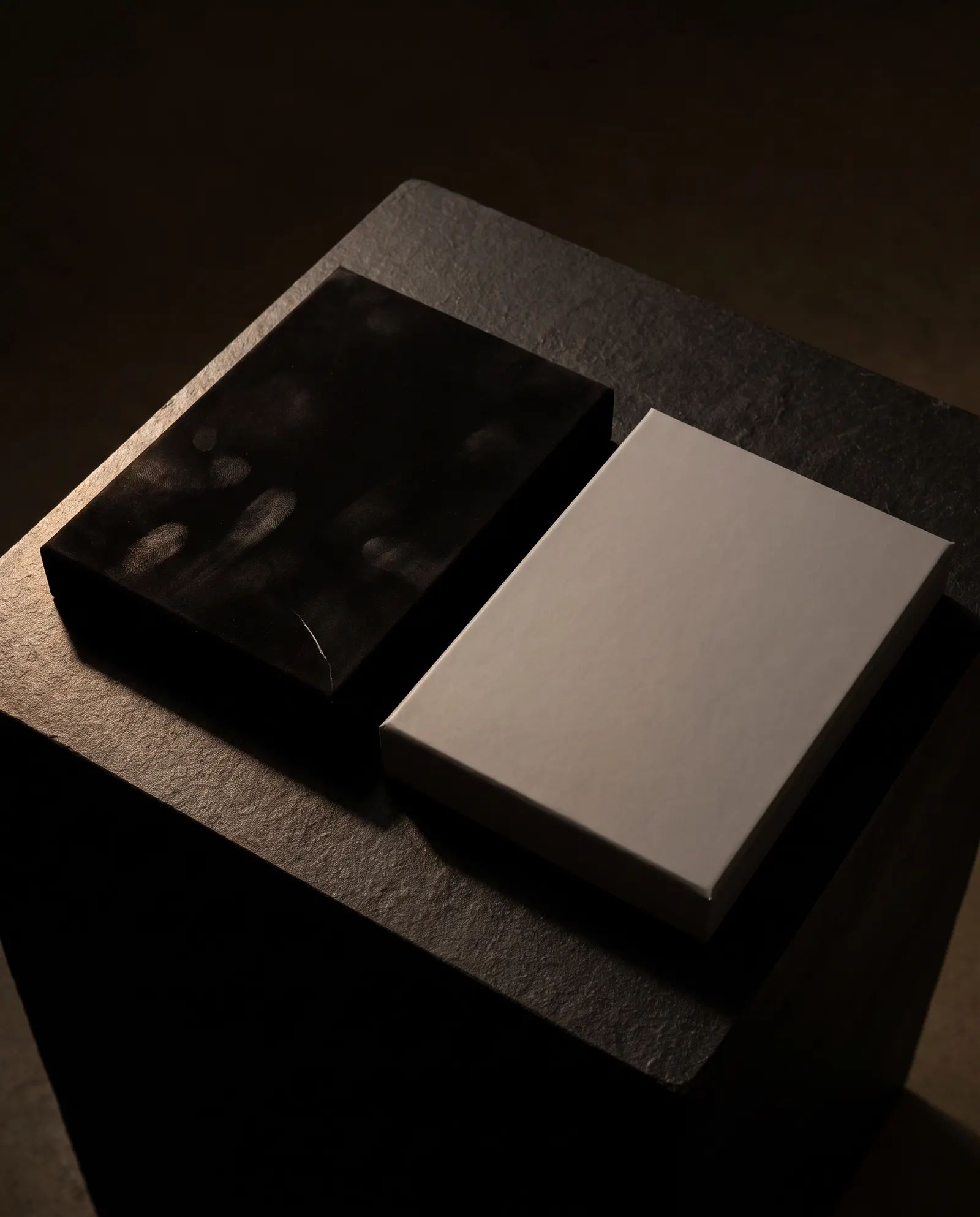
Soft-touch lamination is the finish people remember: a suede-like drag under the fingers, no gloss. The catch: on a deep navy or near-black box, soft-touch records every fingerprint and every scuff the courier gives it. We plan around it: a lighter base colour, a matte laminate that hides handling, foil placed where hands won't land, and a proper outer carton.
Folds and edges. Foil and embossing crack across a score, so we keep them at least 3 mm from every fold, turn-in and glue flap. You'll see that clearance on the proof.
The inside is where the box earns its money
Flip the lid and there's colour, a pattern, a line of copy nobody expected. That moment is the reason to order custom printed boxes instead of buying blank ones. On a mailer, the inside is printed on the same sheet as the outside, so it often costs less to add than people assume.
Orientation is the landmine. On a mailer, the interior artwork has to be placed against the dieline so it reads right-way-up when the lid swings open, not when the sheet lies flat. We handle that mapping on our dieline, and you'll see it on the proof.
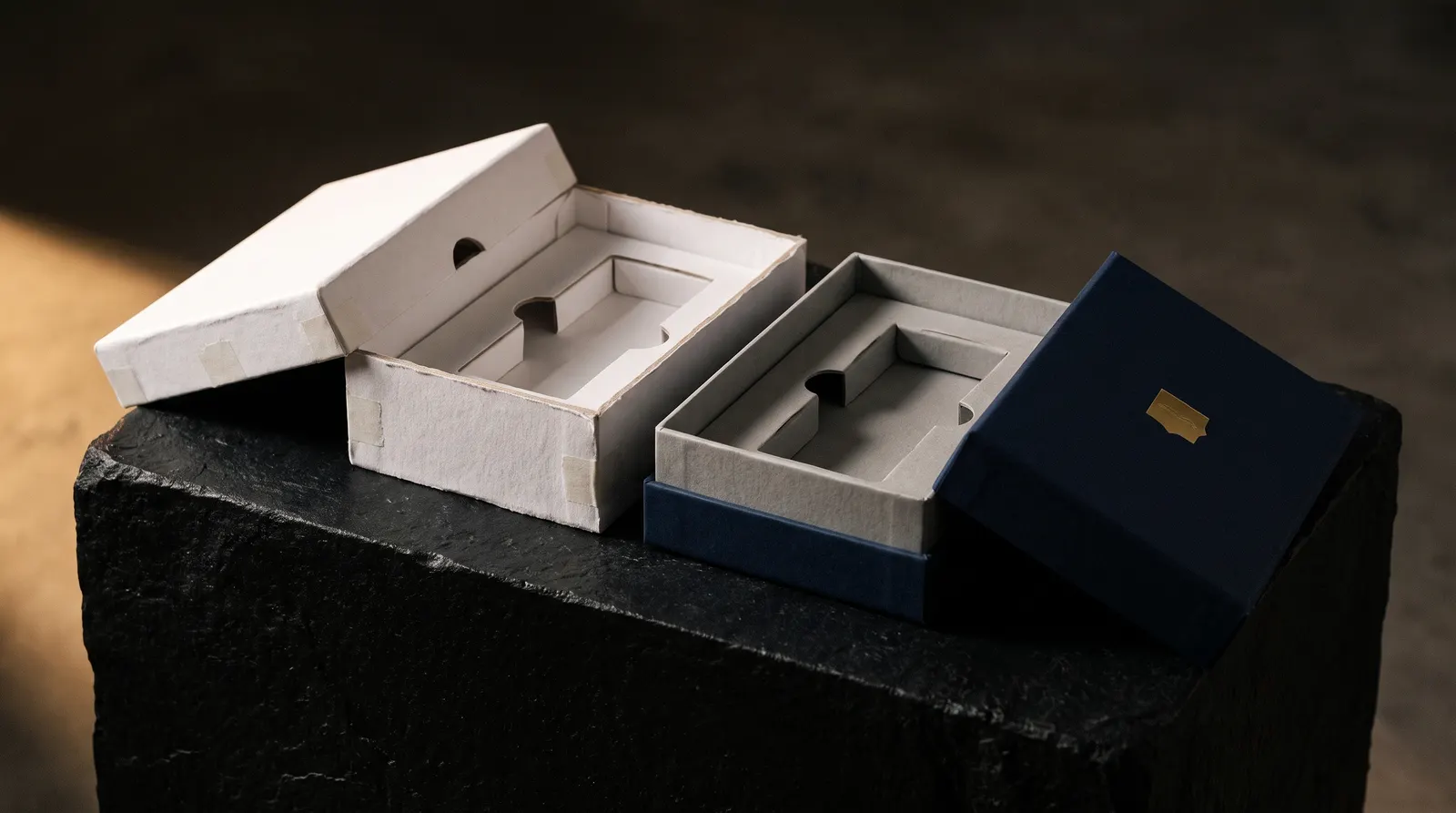
Inserts hold the product still. Our first suggestion is usually a paperboard tray with a recess cut to the product and a finger notch to lift it out. It looks cleaner than foam, and it's paper, like the box around it. Foam comes in only when the product is heavy or fragile enough to need it.
The card on top. A printed insert card in the same foil as the lid is the cheapest way to make the whole box feel considered. See packaging inserts, hang tags, gift tags and foil seals for the pieces that go inside, foil stickers to seal the lid, and luxury labels for the product itself.
Three ways to spend on a box
We price a box with everything on it first, then show you what each removal saves. Here's how the budget usually falls out.
| Tier | What you get | Price |
|---|---|---|
| Stock box, our finish | A plain box you already have, finished with a foil belly band (10 × 2 in, one foil) or a foil seal. The least expensive way to make a blank box look like yours. | Belly bands from $295 for 100 · foil seals from $195 for 250 |
| Printed mailer or carton | A custom-sized mailer or folding carton, printed outside and in, with one foil. | Quoted to size: Get a price |
| Custom rigid or magnetic box (our recommendation for a launch or gift) | Rigid or magnetic structure drawn to your product, foil on an uncoated wrap, printed interior, paperboard insert. | Past projects have run about $1,400–$2,000 for the whole run (context, not a quote) |
If the box is part of the product, a launch kit, a client gift, anything that gets kept, it's worth making custom luxury boxes: go rigid with one foil on an uncoated wrap and a paperboard insert. That's where most of the feel comes from per dollar. Add deboss and a printed interior if the number allows; skip soft-touch on a dark box unless you're happy with the scuffs.
How a custom box gets made
1
Tell us the date first.
When the boxes need to be in hand decides which path is possible. Then the product's size and weight, the quantity, and how it travels.
2
We set the structure.
Board, wrap, closure and insert, drawn as a dieline to your product's real dimensions. You don't need a dieline to start.
3
You hold a prototype.
A physical sample of the structure, so you can check the fit and the opening before anything is printed.
4
Artwork on our dieline.
You build on our template, with foil and deboss areas on their own named layers, or our packaging artwork team builds it for you.
5
You approve the proof.
A person checks structure, artwork and finishes with you. Nothing goes to production until you approve.
6
Production and freight.
About three weeks of production after proof approval, then freight.
Timelines are estimates, not guarantees. For a launch or a holiday gift, start about eight weeks before you need the boxes in hand. See turnaround and shipping and proofing.
Boxes we've made, and design explorations
Client jobs come first and say so. Design explorations are exercises we built to test a structure or a finish. They're labelled, they're not client work, and every one is something we can make.

Client job
Fletcher
Black hot foil on a natural kraft wrap, 9 × 12 × 4 in rigid two-piece box.
Client job
Vlada
A name blind-embossed into sand Colorplan, 6 × 6 × 2 in rigid box. No ink.
Client job
1979
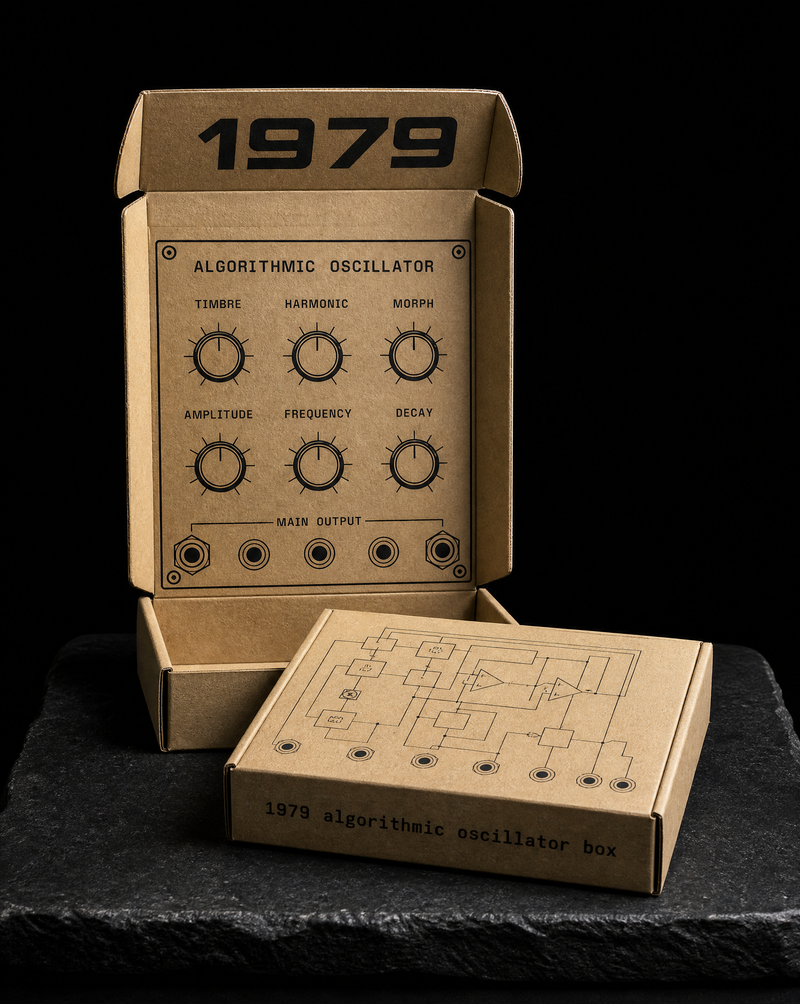
A synth front panel letterpressed in black on natural kraft chipboard.
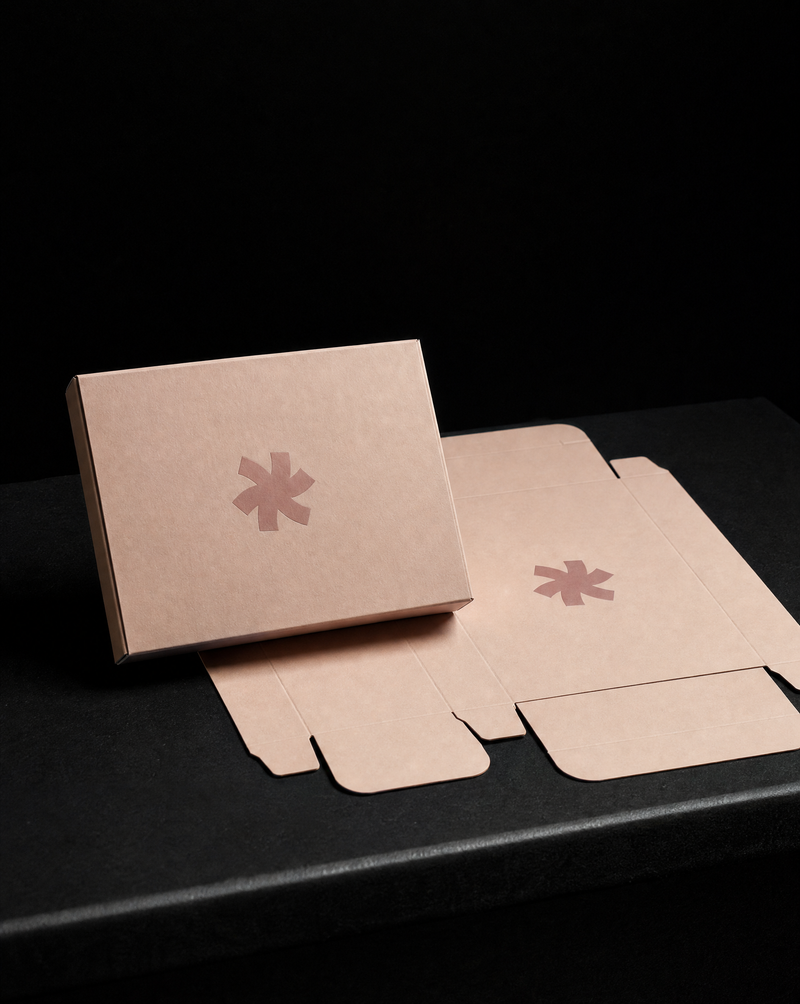
Our own packaging
Our samples box
One matte blush foil on blush board, dyed through. One die, one foil, no ink.
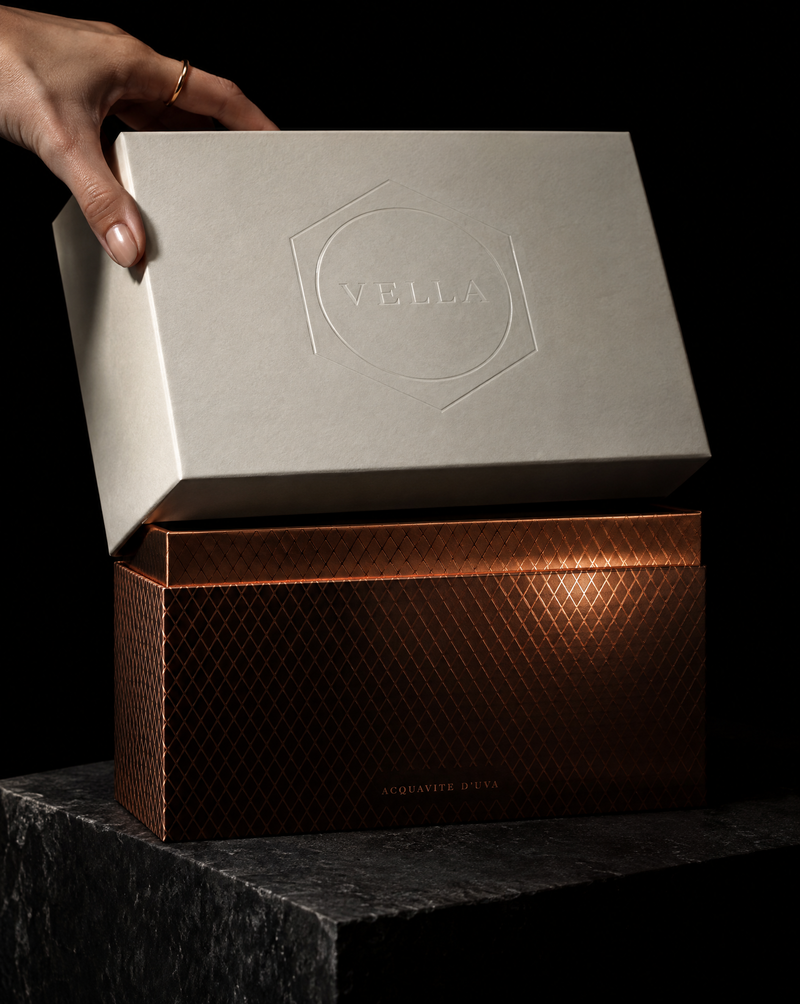
Design exploration
Vella spirits box
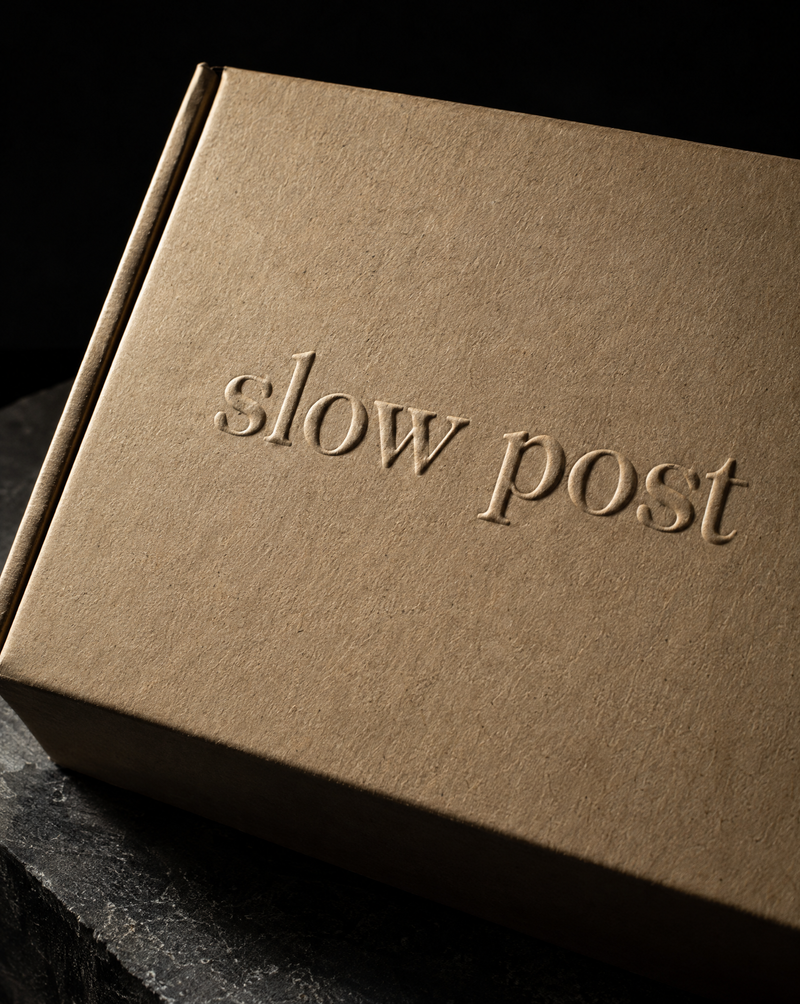
Design exploration
Slow Post kraft mailer
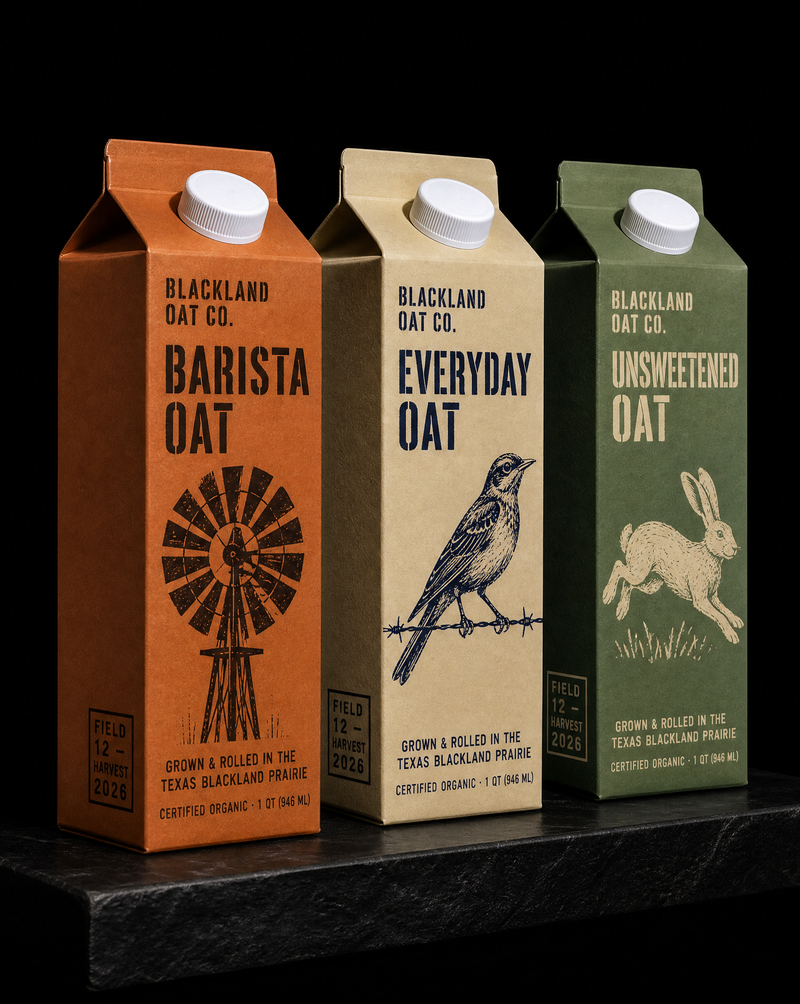
Design exploration
Blackland Oat carton series
Design exploration
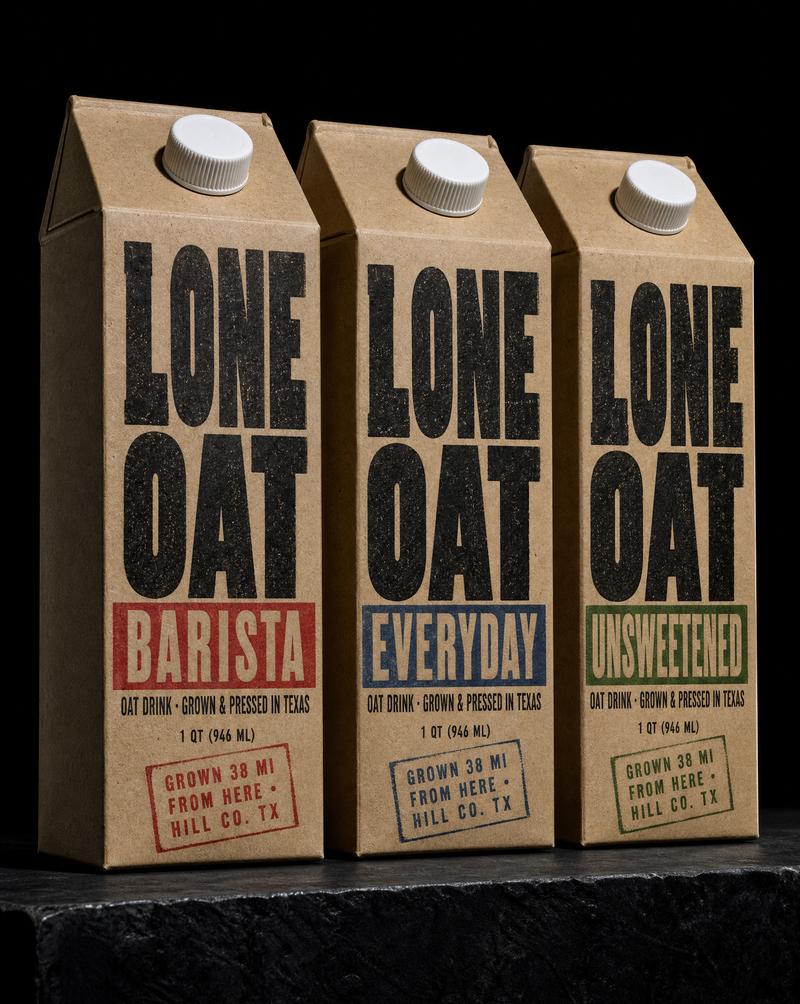
Lone Oat carton series
Design exploration
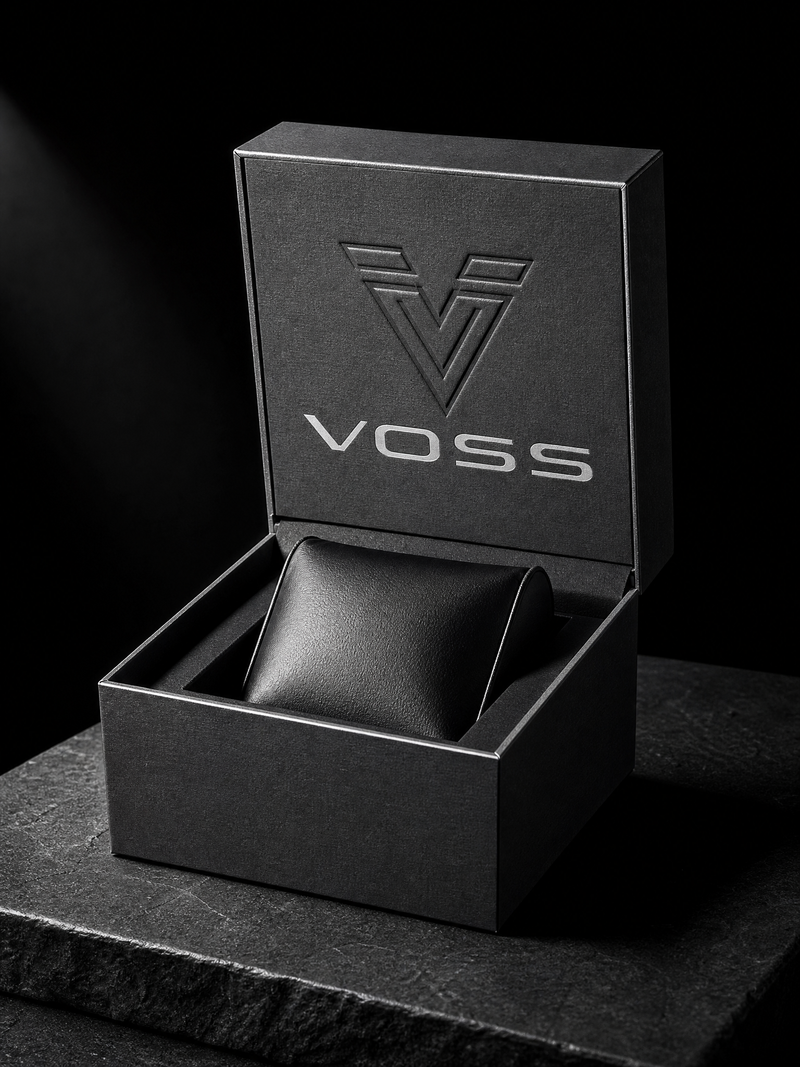
A hundred and twelve boxes, forty industries
Design exploration
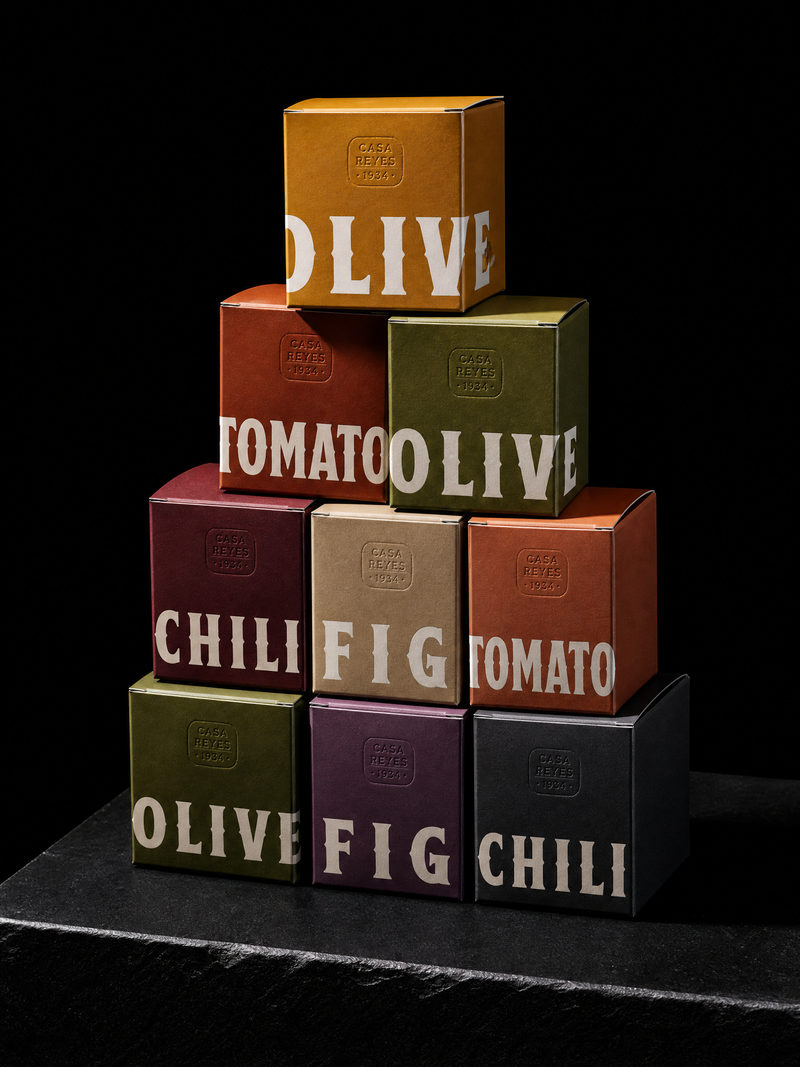
Seventeen references, forty-four answers
Custom box questions, answered
How much do custom gift boxes cost?
Past custom rigid and magnetic box projects have run about 1 400 $US–2 000 $US for the whole run. That's context, not a quote. Size, quantity, the wrap paper, how much foil and deboss, the insert and freight set the final number. Mailers and folding cartons cost less per box and are quoted to size. If you only need a blank box to look like yours, a foil belly band starts at 295 $US for 100. We price the full spec first, then show you what each removal saves.
Why do rigid boxes cost more than mailers?
A rigid box is chipboard wrapped in paper and assembled before it ships, much of it by hand, and it can't fold flat. You pay for the board, the wrap, the assembly and the freight on a box full of air. A mailer is one die-cut sheet of corrugated board that ships flat and folds up in seconds. The rigid box costs more because it's built, and that solidity in the hand is what you're paying for.
What's the minimum order for custom boxes?
Rigid and magnetic boxes usually make sense from about 100. Below that, the setup for the structure and the foil die is spread across very few boxes, so each one costs more, but we quote short pilot runs for launches and corporate gifting lists. Tell us the quantity you actually need and we'll price exactly that.
How long do custom boxes take?
Production takes about three weeks after you approve the proof. Before that comes the structure and a physical prototype; after it, freight. For a launch or a holiday gift, start about eight weeks before you need the boxes in hand. These are estimates, not guarantees, so tell us your date first and we'll tell you honestly whether it's comfortable.
Do you design the box structure and the dieline?
Yes. Send the product's dimensions and weight, or the product itself, and we draw the structure and dieline around it. You approve a physical prototype before the full run. Then you build artwork on our dieline in vector, with foil and deboss areas on their own named layers, or our packaging artwork team builds it for you.
Can we do kraft instead of white?
Yes. Rigid boxes can be wrapped in natural kraft paper, and mailers and cartons come in kraft board. Know one thing first: printing ink is translucent, so light colours printed on kraft go dull and muddy as the brown shows through. Black, deep colours and foil read best. Black hot foil on a kraft wrap is one of our favourite low-cost builds, and for a white mark we use white pigment foil, which stays opaque where ink would sink in.
Will a soft-touch box arrive at my customer looking clean?
On a light or mid-tone box, usually yes. On a deep navy or near-black box, soft-touch shows every fingerprint and courier scuff. We plan around it with a lighter base colour, a matte laminate that hides handling, foil where hands won't land, and a proper outer shipping carton. If the box has to be black and spotless, we'll tell you which of those trade-offs we'd make.
Can you foil, emboss or deboss a box?
Yes. Hot foil goes on almost any wrap, including soft-touch, though not over a spot UV coating. Foil holds lines to 0.1 mm; we design to 0.15 mm with internal gaps around 0.25 mm. Emboss and deboss need an uncoated wrap; they won't seat in soft-touch laminate, so if you want soft-touch and an impression, the impression goes on an uncoated wrap instead. We keep foil and embossing at least 3 mm away from folds, where they would crack.
Should I use a sleeve instead of printing the whole box?
Often, yes. A foil box sleeve or belly band around a plain box gives you the brand moment for much less than a fully printed box, and you can change it per season without new boxes. Our fixed-price foil belly band is 10 × 2 in with one foil, from 295 $US for 100; larger sleeves are quoted to the box. Print the whole box when the box itself is the product experience, or when you want a printed interior.
Can the boxes match my cards, hang tags and inserts?
Yes, and it's one of the main reasons to make everything with one studio. We use the same foil and the same paper language across the box, tags, insert cards and seals, and check them on one proof so the gold on the lid is the gold on the tag. Send us your existing pieces and we'll match them where the structure allows.
Can I see a sample before I order boxes?
Yes, two ways. For the box itself, you approve a physical prototype of the structure before the run. For finishes, our 8 $US sample kit includes a hot foil swatch card with every foil we keep on the shelf, plus papers and finishes like blind emboss. It's built around cards, not boxes, but it's the quickest way to choose a foil in your own light.
How do boxes ship?
Freight for boxes is quoted with the job. Finished rigid and magnetic boxes ship by volume, not weight, because they arrive built, so the box size and quantity drive the cost. Mailers and cartons ship flat and cost much less to move.
Do you sell plain stock gift boxes?
No. We make custom boxes printed and finished to your brand. If you already have a stock box you like, we can make it yours with a foil belly band, a foil seal or a printed insert card, which is usually the least expensive route.
What's the difference between rigid, magnetic and mailer boxes?
A rigid box is chipboard wrapped in paper with a lid that lifts off the base; it arrives built and travels inside a shipping carton. A magnetic box is the same rigid build with a hinged flap that closes on magnets hidden under the wrap, so it costs a little more. A mailer is a single die-cut sheet of corrugated board that ships flat, folds up in seconds and goes through the post on its own. Rigid and magnetic boxes are for the gift moment; mailers are for getting the product to the door.
The rest of the unboxing
Custom rigid boxes
Get a priceCustom magnetic boxes
Get a priceBelly bands & sleeves
Get a priceHang tags
Get a pricePackaging inserts
Get a price
Need the box artwork drawn? Packaging artwork.
Start with the product, not the box
Send us the size, the weight, the quantity and the date. We'll come back with a structure, a finish recommendation and a price, then a prototype you can hold. If it's simpler to talk it through, book a call.
Reviewed by a person before anything prints.