Hang tags that finish the product.
Strung tags for apparel and retail, with foil, letterpress, painted edges and custom shapes — the small detail that signals a premium product.
 Reviewed by a human before anything prints.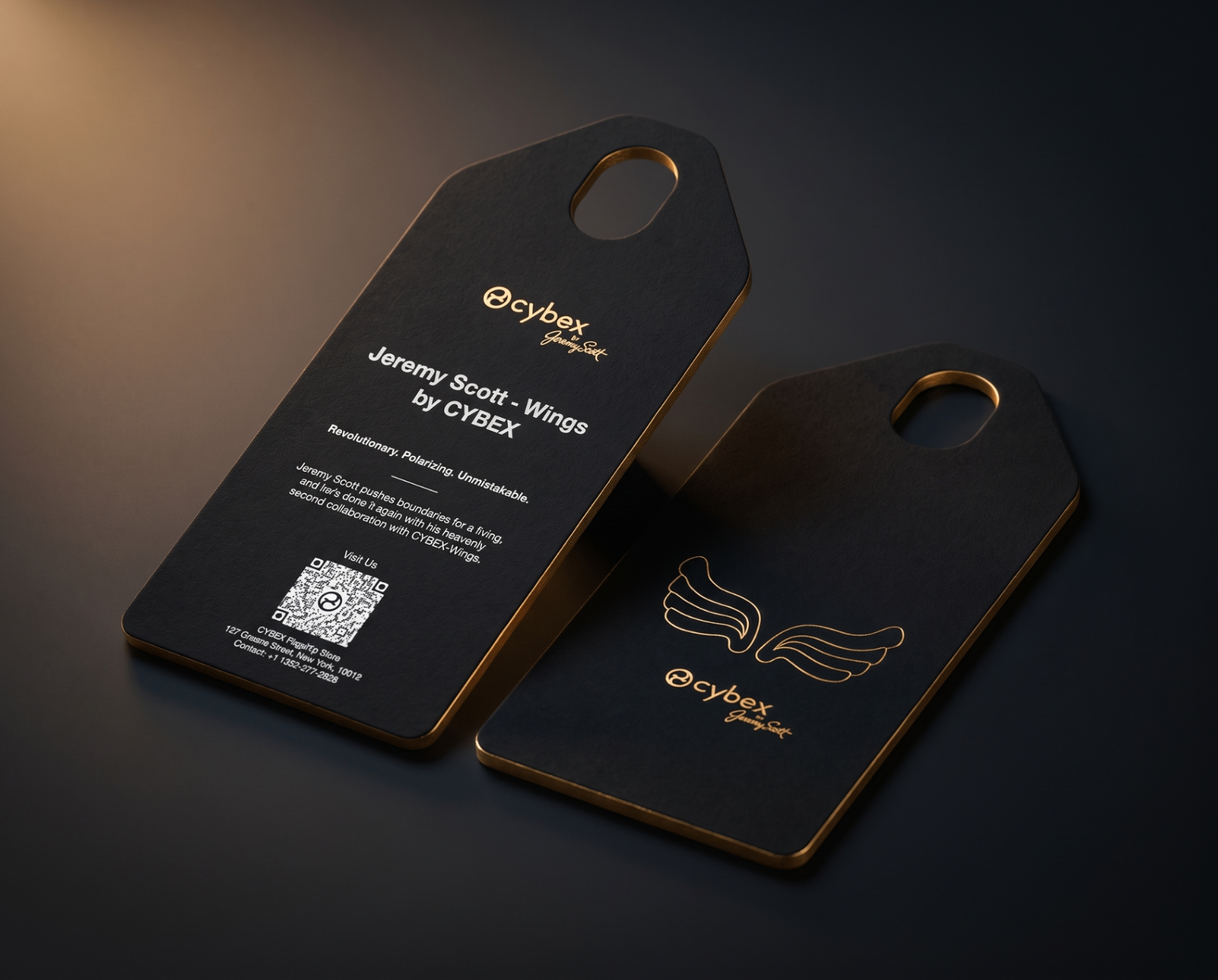
What’s possible
The last 5% that sells the product.
Custom shapes, thick stocks, foil and string options — designed to match your packaging and brand exactly.
Custom shapes
Die-cut to your outline.
Foil & letterpress
Premium finishes, small canvas.
Strings & eyelets
Colour and material options.
Thick & painted edge
Substantial, tactile stock.
Why Peppermint
A human guides every custom order.
A human verifies everything
We confirm your files, materials and finishes will print before you ever pay.
Access to exotic materials
Papers, foils and techniques most printers cannot or will not offer.
A free proof, every time
Nothing goes to press until you approve exactly what you will get.
Custom hang tags FAQ
Yes — that's the point. We design hang tags to carry the same foil, stock and colour as your boxes and stickers so the product reads as one cohesive brand.
We rebuild supplied artwork for the press.
Our design team redraws your artwork as clean, layered, press-ready files so every plate, die and colour can be produced properly.
Explore more
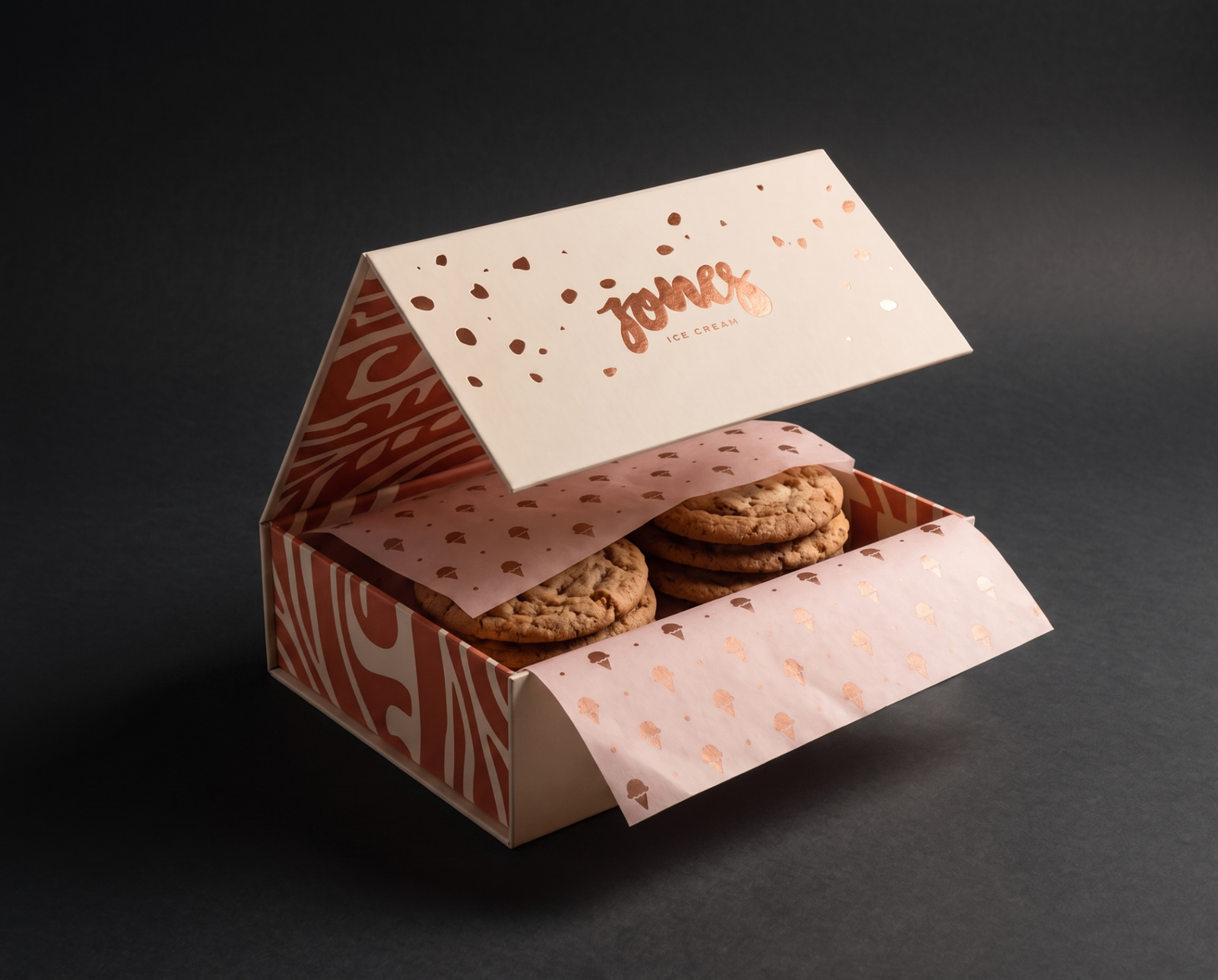
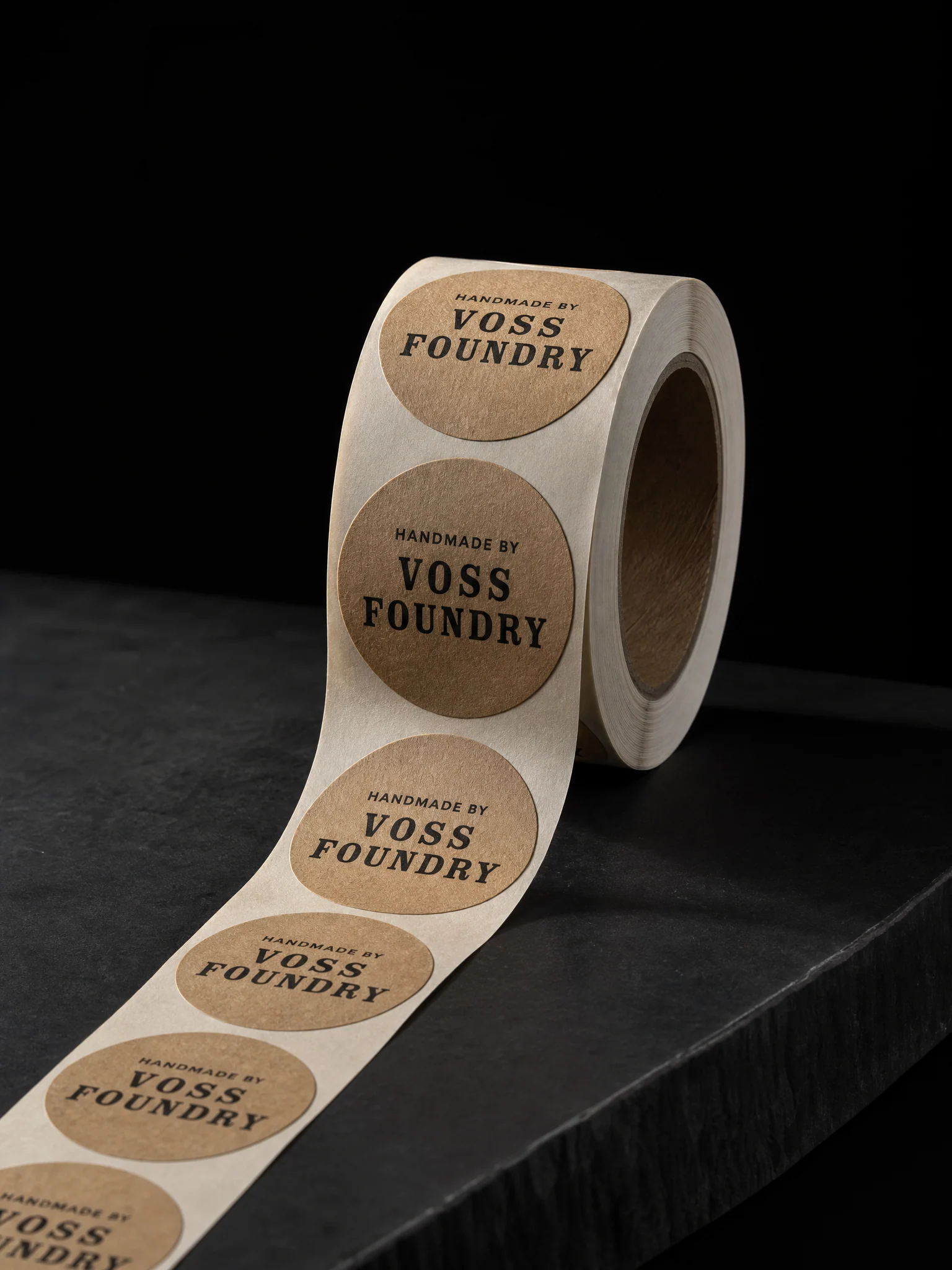
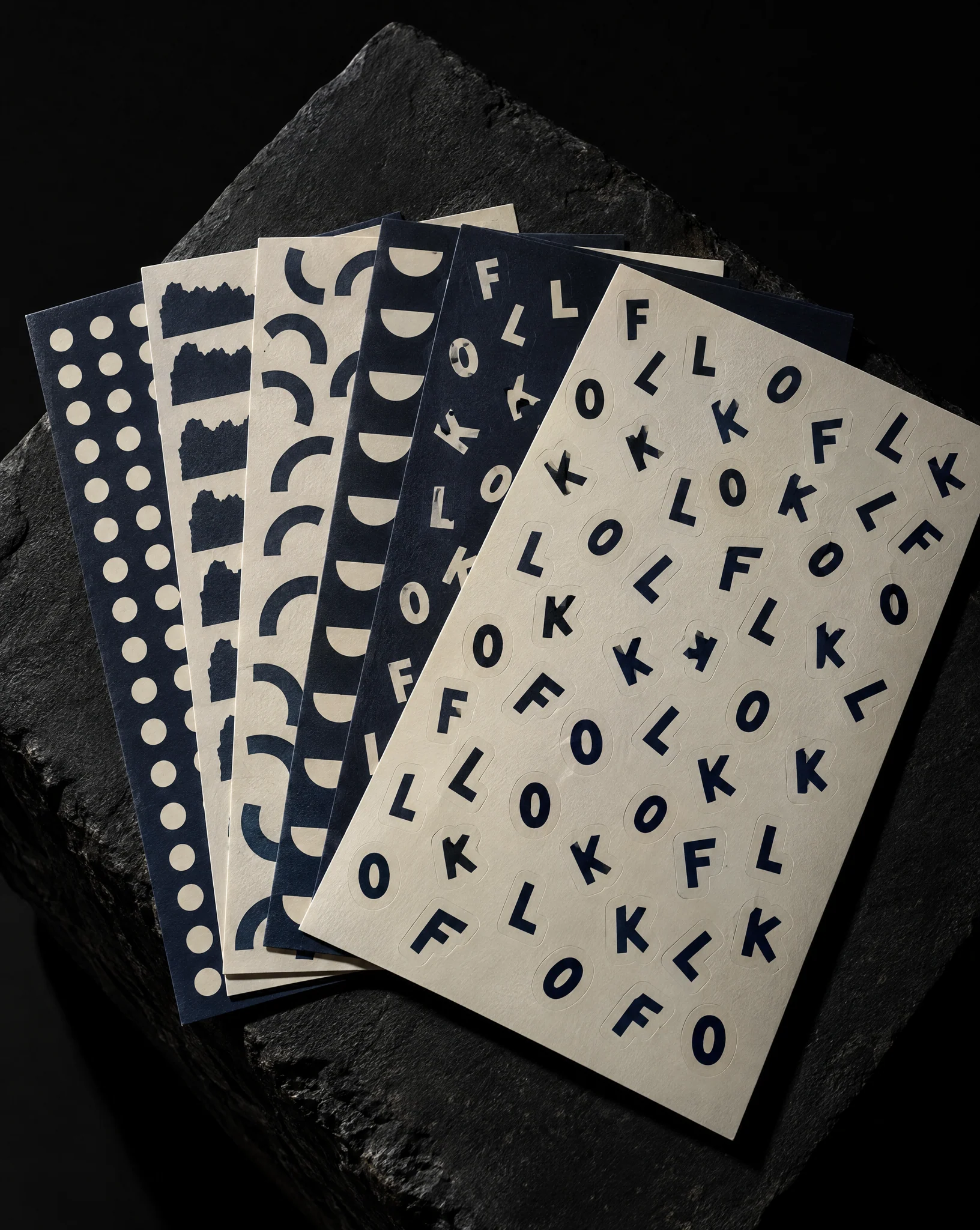
A hang tag is the last thing a customer touches before they own the thing. It's small, it swings, and it takes abuse in a shipping carton — which is why the decisions that matter on a hang tag are structural before they're decorative. We print strung tags for apparel and retail with foil, letterpress, painted edges and die-cut shapes, on stock thick enough to feel like a card rather than a receipt. Tell us the product, the price point and what your boxes and stickers already look like, and we'll build the tag to match.
The hole decides whether the tag survives the rack
Punch a hole too close to a die-cut edge and the fibers between the hole and the trim have nothing to hold onto. One tug on a fitting-room rack and the tag tears through. We keep the hole set back from the trim with enough material around it to carry the load, and on thinner stocks or heavy strings we specify an eyelet — a metal ring that spreads the pull across a wider area instead of concentrating it on paper fibers.
If your shape is unusual, send the outline early. Hole placement and shape are one decision, not two.
The clamped stack creates the edge we paint
Edge paint is applied after the full stack is squeezed tightly in a vise, turning all of its exposed cut edges into one continuous surface. That is why single-ply and even text-weight hang tags can be edge painted cleanly; the pieces are not painted one at a time.
Caliper changes how the result reads after separation. Thin stock carries a fine line, while thick stock shows a broader stripe. We choose the weight for the desired feel and visibility, not because the process has a 32pt minimum.
Foil and letterpress on a two-inch canvas follow different rules
Letterpress works by pressing a raised plate into damp-softened stock. The ink sits in a valley you can feel with a thumbnail. Foil is heat and pressure laying metal leaf into that same impression. Both love bold strokes and open counters, and both punish hairlines: a rule under about half a point can fill in, break up, or vanish.
One thing worth knowing before you approve a proof — deep impression shows faintly on the reverse. On a double-sided tag we plan which side carries the pressure and keep the back copy clear of it.
Common questions
Both are normal in this trade. Pre-strung tags save your team hours at packout; loose tags with punched holes or eyelets let you string as you pack, which some brands prefer for mixed SKUs. Tell us which way your fulfillment runs and we'll spec it that way in the quote.