Notecards that say it properly.
Folded and flat cards on heavyweight stock, with foil monograms, letterpress and painted edges. For thank-yous, brand moments and the notes worth keeping.
 Reviewed by a human before anything prints.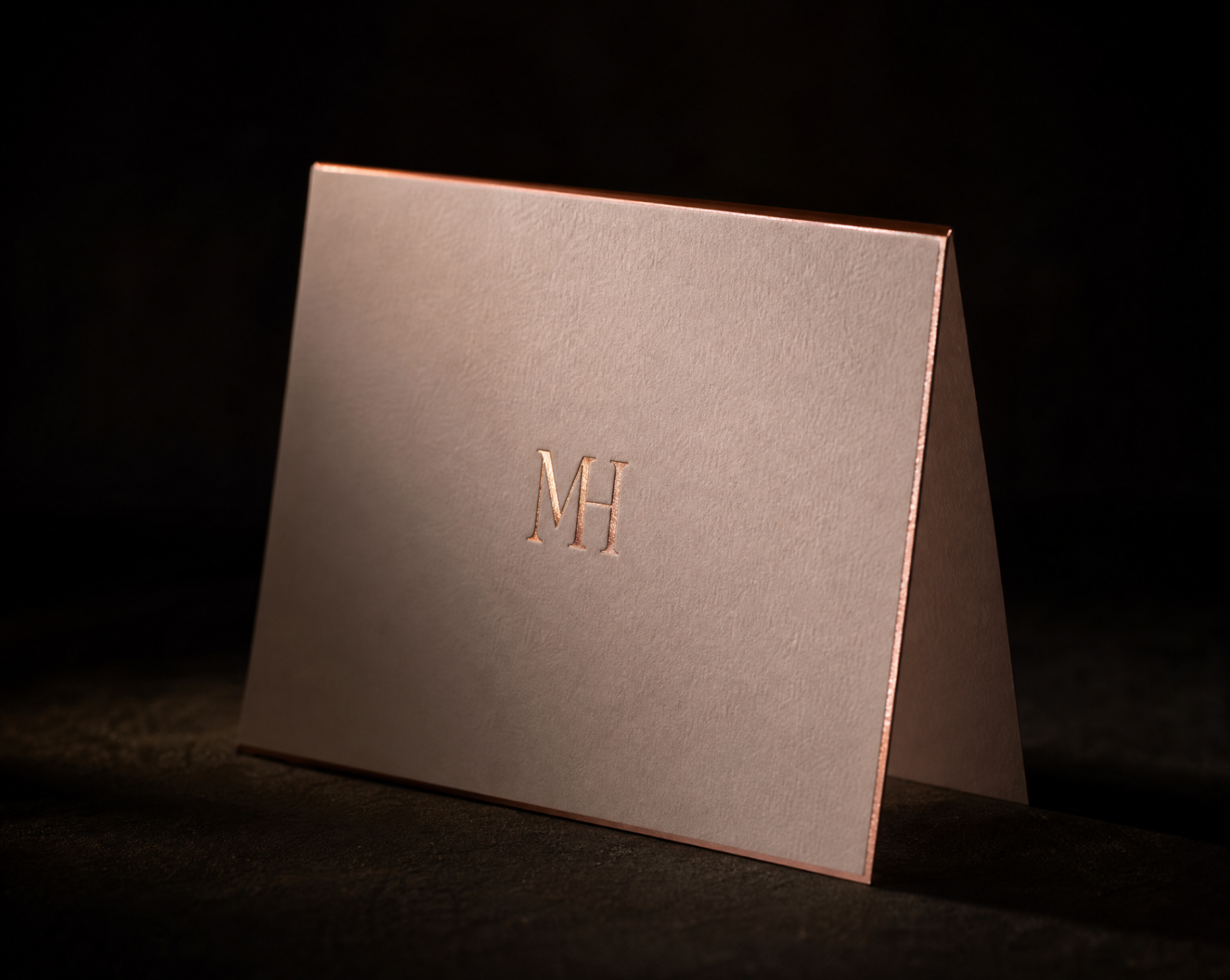
What’s possible
Every detail, considered.
From a simple flat card to a folded suite with a lined envelope — we'll match the paper and finish to the moment.
Folded & flat
A2, A6, square — your choice.
Foil & letterpress
Monograms that feel expensive.
Lined envelopes
Patterned or coloured liners.
Heavyweight stock
Cotton, colourplan, duplex.
Why Peppermint
A human guides every custom order.
A human verifies everything
We confirm your files, materials and finishes will print before you ever pay.
Access to exotic materials
Papers, foils and techniques most printers cannot or will not offer.
A free proof, every time
Nothing goes to press until you approve exactly what you will get.
Custom notecards FAQ
Yes — lined, coloured or wax-sealed, designed to match the card exactly. Many customers pair notecards with their business cards or letterhead for one cohesive identity.
We rebuild supplied artwork for the press.
Our design team redraws your artwork as clean, layered, press-ready files so every plate, die and colour can be produced properly.
Explore more
Postcards & Flyers
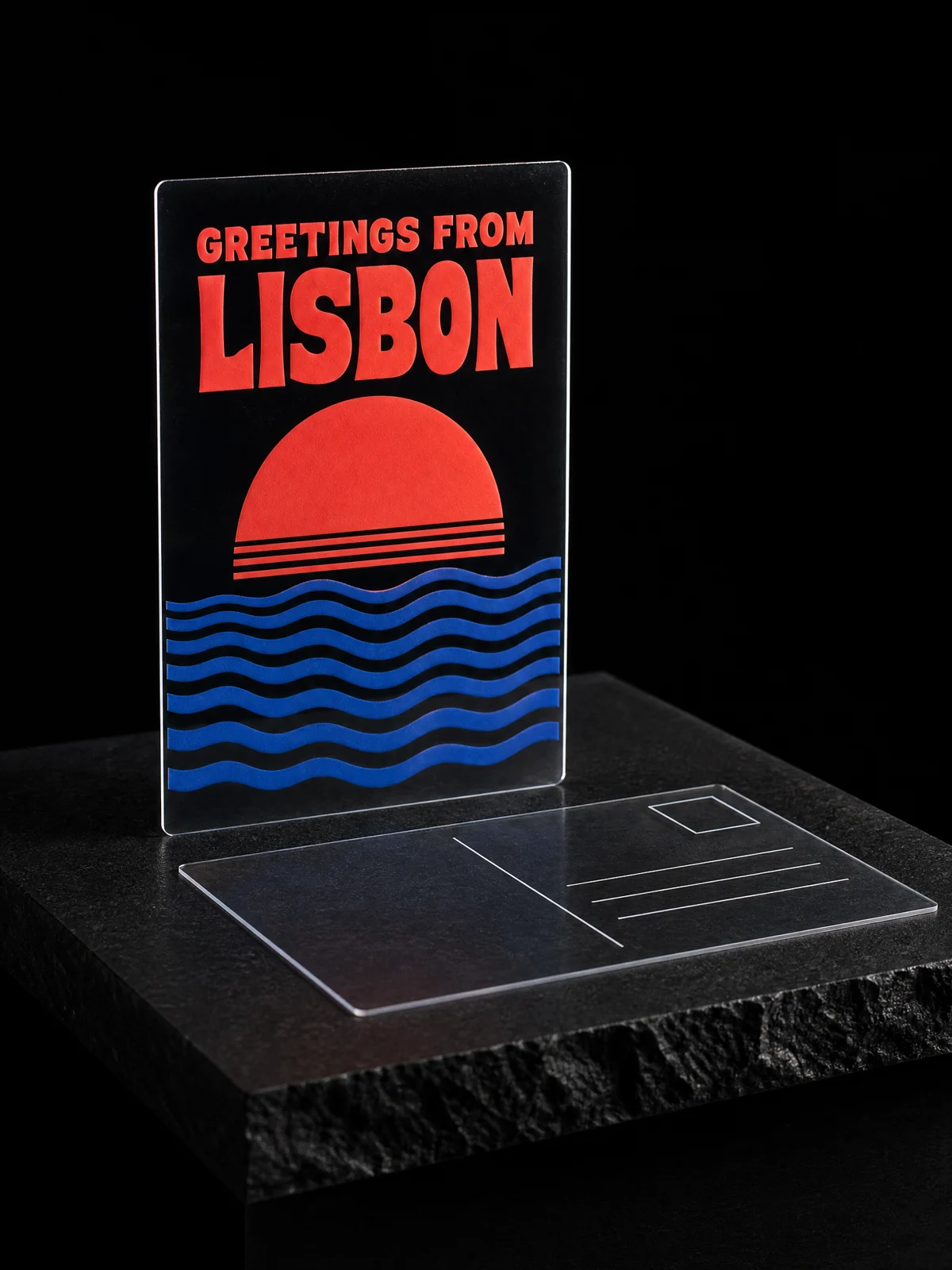
Flat pieces — postcards, flyers, rack cards, folded mailers, menus and small posters.
View postcards & flyers →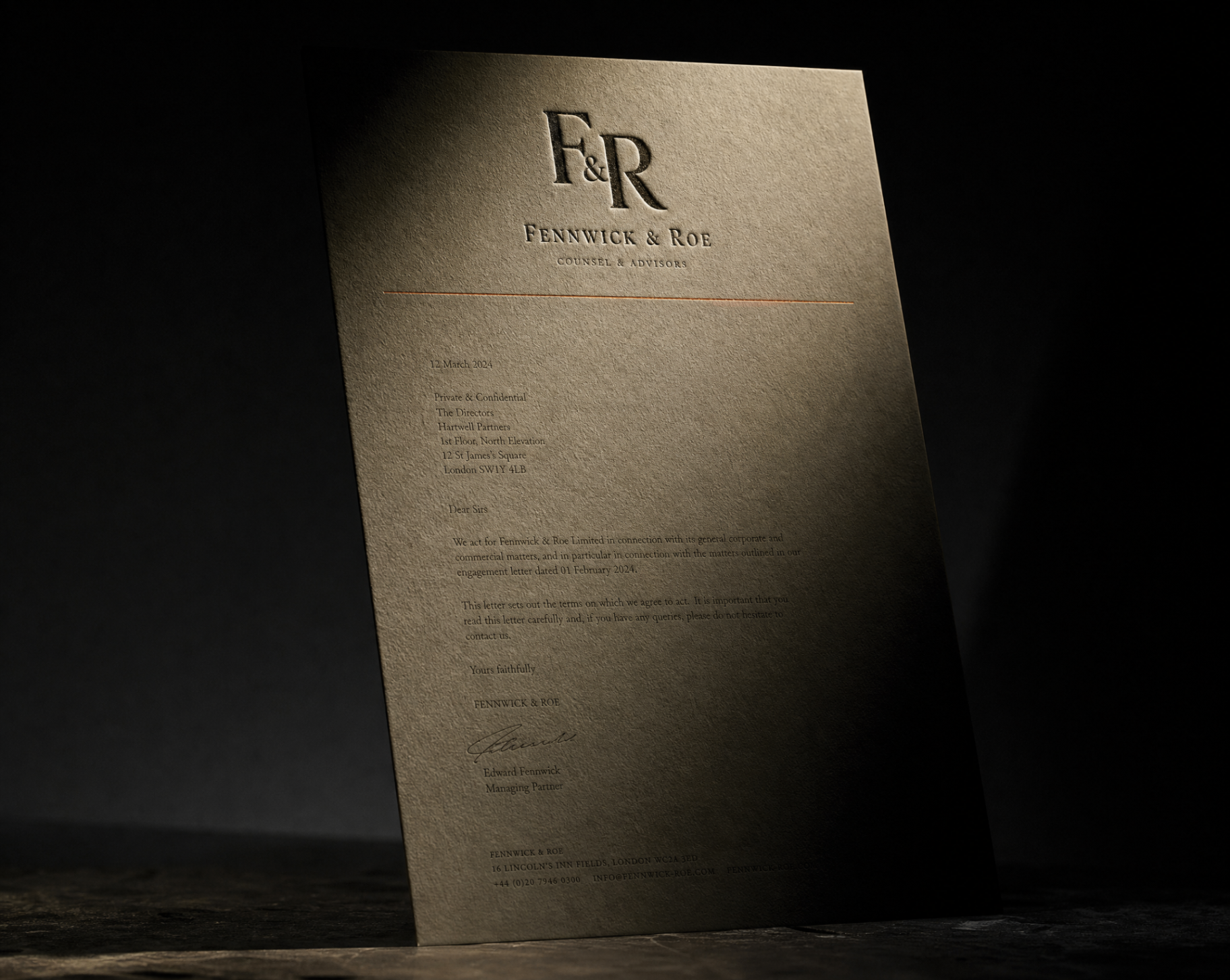
Letterhead
Branded letterhead, second sheets and comp slips on premium uncoated stock.
View letterhead →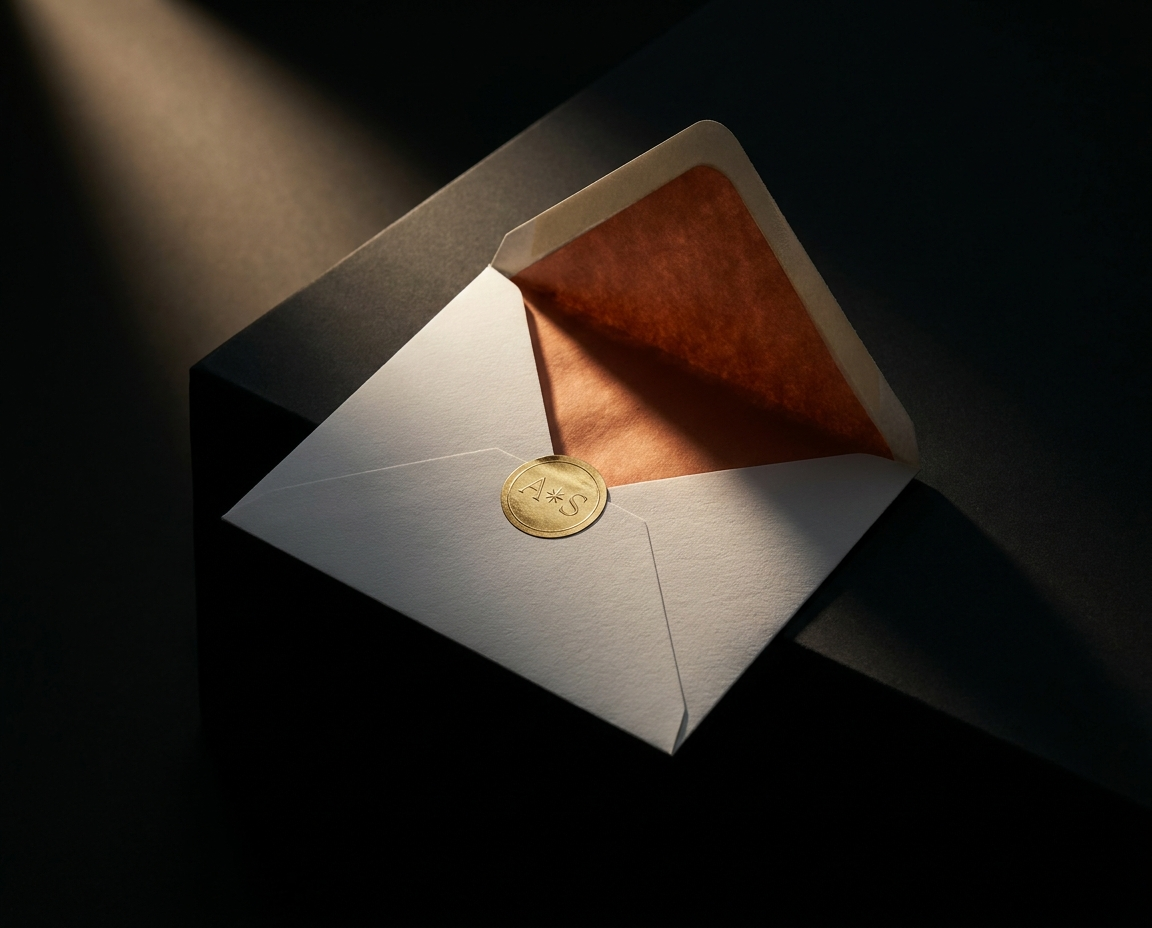
Envelopes
#10, A7, square — lined, coloured or foil-stamped, designed to match your suite.
View envelopes →A notecard is a small piece of paper doing a large job. Someone holds it, reads six lines, and decides how they feel about you. So we build them heavy: folded and flat cards on cotton, colourplan and duplex stock, with foil monograms, letterpress, and painted edges. A2, A6, or square. Add a lined envelope and the whole thing arrives as an event rather than a mailing. Thank-yous, brand moments, the notes people keep in a drawer for years — tell us the occasion and we'll match the paper and the finish to it.
Letterpress on a flat card shows on the back
Letterpress works by pressing a die into damp-soft cotton fibre. The impression you love on the front leaves a bruise on the reverse — a shallow ghost of your monogram running backwards across the writing side. On a folded card nobody sees it, because the back is hidden inside the fold. On a flat card, it's the surface people write on.
The fix is duplex: two sheets bonded into one thick card, so the impression buries itself in the core and never reaches the second face. It also doubles your options — cream outside, deep navy inside, one edge line where they meet.
Painted edges work from text weight to thick board
Edge paint is applied while the whole stack is squeezed tightly in a vise, then the pieces are separated. Because the stack becomes one paintable surface, there is no 32pt minimum: single-ply and even text-weight paper can be edge painted. A thin sheet carries a finer line on each piece, while a heavy duplex build makes that line more prominent.
Cotton takes paint beautifully because the fibre is absorbent and the edge is slightly toothy. Colourplan gives you a coloured core to either match or deliberately contrast.
The envelope is half the piece
The card is the second thing anyone touches. The envelope is the first, and it sets the expectation the card either meets or disappoints.
A liner is the cheapest drama available — a patterned or coloured panel that flashes when the flap opens. Coloured envelope stock does the same work from the outside. A wax seal turns the opening into a small ceremony and asks to be hand-delivered or hand-cancelled rather than run through sorting equipment.
We design liners to the card exactly, so the fold, the flap, and the pattern all agree. Many people run the same paper and foil across notecards, business cards, and letterhead.
Common questions
Foil sits on top of the sheet as reflective metal, so it reads at a distance and holds fine hairlines. Letterpress goes into the sheet, so it's felt more than seen and rewards close handling. On heavily textured cotton, foil bridges the tooth and stays crisp; letterpress leans into that texture. Many monograms use both.