Gmund Bio Cycle
Bio Cycle is Gmund asking what else paper could be made from.
- Mill
- Gmund
- Colours
- 5
- Weights
- 100 / 120 / 300 / 600 gsm
- Surface
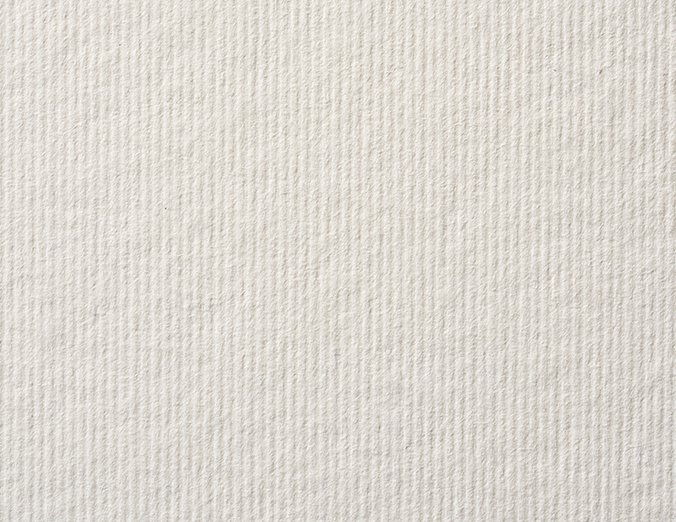
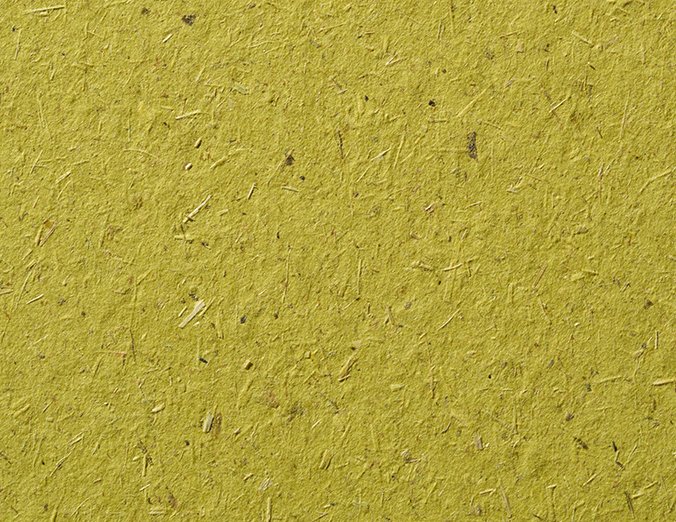
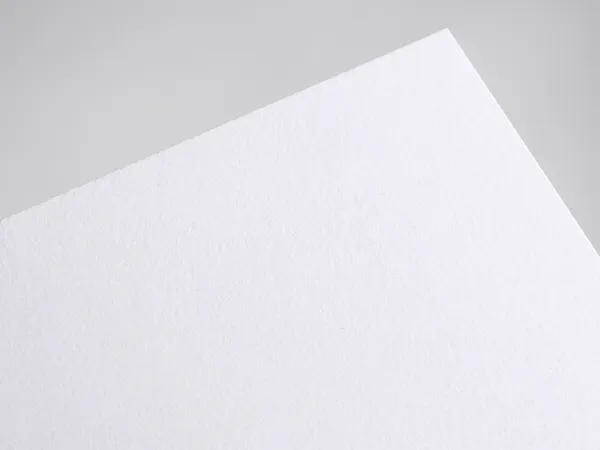
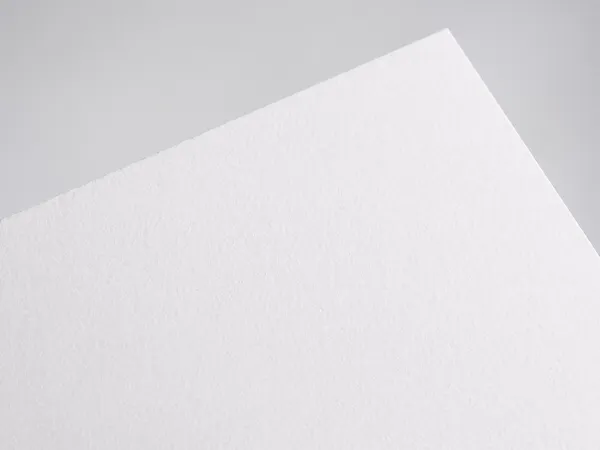
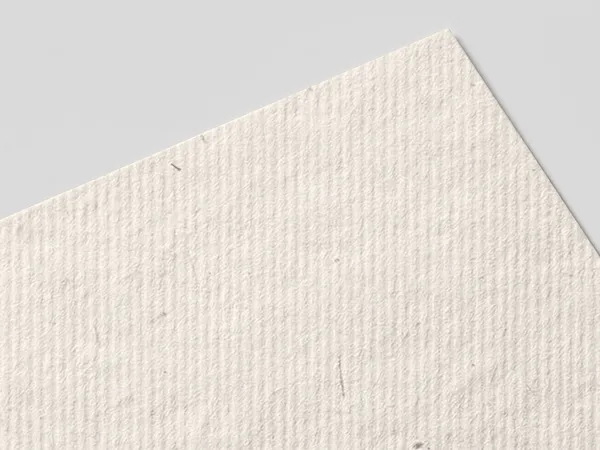
- Natural uncoated, each with its own feel: visible straw or grass particles, soft cotton rag, fine laid-like lines on Cannabis
The story
Bio Cycle is Gmund asking what else paper could be made from. Each sheet replaces up to half its wood pulp with a fast-growing plant, and you can see it: golden flecks of wheat straw, a hemp sheet with a gentle line, a soft cotton rag, and Chlorophyll, a bright grass green full of visible leaf. Cycle Kreislauf closes the loop as a fully recycled white. These are honest, tactile papers that reward letterpress and blind deboss, and they make a sustainability story easy to tell.
Up to 50% of the wood pulp is replaced with fibre from fast-growing plants (wheat straw, grass, cotton, cannabis/hemp); Cycle Kreislauf is 100% recycled fibre; Fresh wood fibres FSC certified (FSC C006462); Cotton is pre-consumer recycled; high-grade US cotton; Acid free, pH neutral (Kreislauf may contain woody fibres, so it is not fully age-resistant)
Where it shines
- Greeting cards
- Business cards
- Brochures
- Folders
- Packaging
- Sustainability reports
How we print it
- Offset (Chlorophyll with restrictions)
- Letterpress
- Screen printing
- Blind embossing
- Hot foil
- Die cutting
Worth knowing
- 600 g/m² (about 1 mm) needs a board press for offset
- Chlorophyll sheds tiny plant particles; best with little ink, blind emboss or letterpress
- Rag Baumwolle scuffs easily; reduce pressure and friction
- Cotton grades react to humidity and can shrink when very dry
- 100 g/m² (Kreislauf) is laser/inkjet suitable
- 24 h drying, oxidative inks, low stacks
Feel it first
A screen cannot tell you how a sheet feels. Compare the weight, surface and colour in hand.
Common questions
- What is Gmund Bio Cycle best suited to?
- Greeting cards, Business cards, Brochures, Folders, Packaging, Sustainability reports
- How do you print on Gmund Bio Cycle?
- Offset (Chlorophyll with restrictions), Letterpress, Screen printing, Blind embossing, Hot foil, Die cutting
- What should I know before choosing Gmund Bio Cycle?
- 600 g/m² (about 1 mm) needs a board press for offset Chlorophyll sheds tiny plant particles; best with little ink, blind emboss or letterpress Rag Baumwolle scuffs easily; reduce pressure and friction Cotton grades react to humidity and can shrink when very dry 100 g/m² (Kreislauf) is laser/inkjet suitable 24 h drying, oxidative inks, low stacks