PPC-081
CMYK 10/0/55/40 · Base build · Greens
- c
- 10
- m
- 0
- y
- 55
- k
- 40
Every swatch here is an on-screen APPROXIMATION of a four-colour build. Screens emit light and paper reflects it — no monitor can show you what ink on your stock will do. Ask for a proof.
On coated stock
On coated stock the sealed surface keeps the build at full density: this is the version closest to the on-screen approximation.
On uncoated stock
On uncoated the same build reads darker, duller and lower in contrast — dot gain plus absorption. This is not a fault; it is what that sheet does to process ink.
The full tonal run
Seven values built from this base — three shades that add black, three tints that drop ink. Hierarchy inside one hue, without introducing a second colour.
PPC-081
10/0/55/40
Base build
PPC-081.1
10/0/55/100
Base + 75K
PPC-081.2
10/0/55/90
Base + 50K
PPC-081.3
10/0/55/65
Base + 25K
PPC-081.4
8/0/41/30
75% ink
PPC-081.5
5/0/28/20
50% ink
PPC-081.6
3/0/14/10
25% ink
In production
- A four-colour build — check it on a proof before a large flat solid; that is where registration and drift show first.
- Below about 8% a screen stops being reliable — on uncoated it fills in, on coated it can vanish. The tint steps here sit above that floor deliberately, so the light end of a family still prints as a colour rather than as a rumour.
Where we use it
- Brand colour in process work
- Flat solids and panels
- Display type
These are our own tested recommendations, developed on our presses and our stocks. They are not a published colour standard and are not affiliated with any colour system.
Pairs beautifully with
Three combinations that hold up on press. Open one and the Studio starts with the stock, the foil and the ink already locked in.
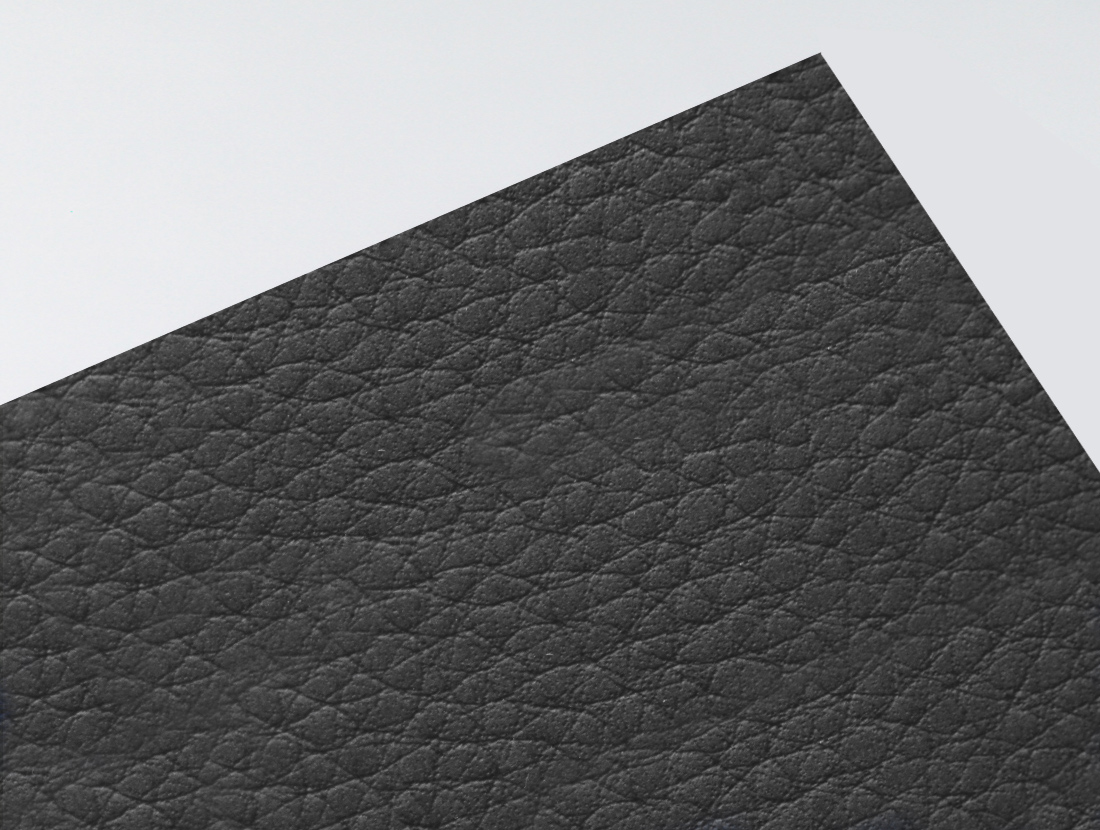
PPC-081 on Gmund Leather Mocha
PPC-081 on Gmund Leather Mocha is uncoated, so the dots gain: the same 10/0/55/40 build prints a step darker and duller than it looks on screen. That softness is usually the reason to choose this sheet. The rich chocolate brown ground shows through a translucent build — the printed colour shifts toward the sheet, so sign off against a printed sample.
Compatibility matrix
Start this combination
PPC-081 on Gmund Urban Dust
PPC-081 on Gmund Urban Dust is uncoated, so the dots gain: the same 10/0/55/40 build prints a step darker and duller than it looks on screen. That softness is usually the reason to choose this sheet. The warm mid taupe ground shows through a translucent build — the printed colour shifts toward the sheet, so sign off against a printed sample.
Compatibility matrix
Start this combination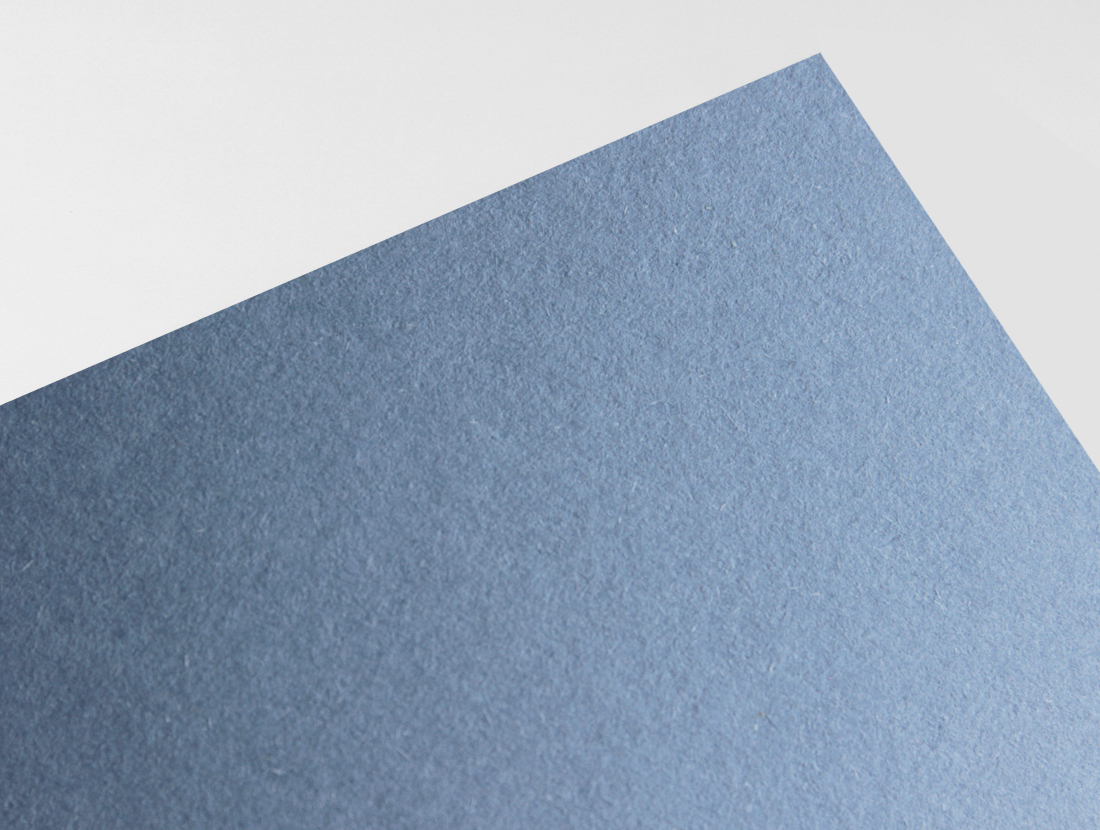
PPC-081 on Materica Acqua
PPC-081 on Materica Acqua is uncoated, so the dots gain: the same 10/0/55/40 build prints a step darker and duller than it looks on screen. That softness is usually the reason to choose this sheet. The pale seafoam / soft aqua ground shows through a translucent build — the printed colour shifts toward the sheet, so sign off against a printed sample.
Compatibility matrix
Start this combinationCommon questions
- What is the CMYK build for PPC-081?
- PPC-081 is C10 M0 Y55 K40 — written 10/0/55/40. It is one of our tested recommendations, not a published standard.
- How does PPC-081 print on uncoated stock?
- On uncoated the same build reads darker, duller and lower in contrast — dot gain plus absorption. This is not a fault; it is what that sheet does to process ink.
- How does PPC-081 print on coated stock?
- On coated stock the sealed surface keeps the build at full density: this is the version closest to the on-screen approximation.
- Should this be a spot ink instead?
- Process is right for photographic work, for anything with many colours in it, and for jobs where the colour needs to be close rather than exact. A spot ink is right when the colour IS the brand and has to be identical on every run, and when the colour sits outside what four inks can reach at all. Process costs nothing extra on a full-colour job; a spot is an extra unit on press.