Packaging worth unboxing.
Custom mailer and rigid boxes with foil, soft-touch finishes and printed interiors — the first thing your customer touches, engineered to feel premium.
 Reviewed by a human before anything prints.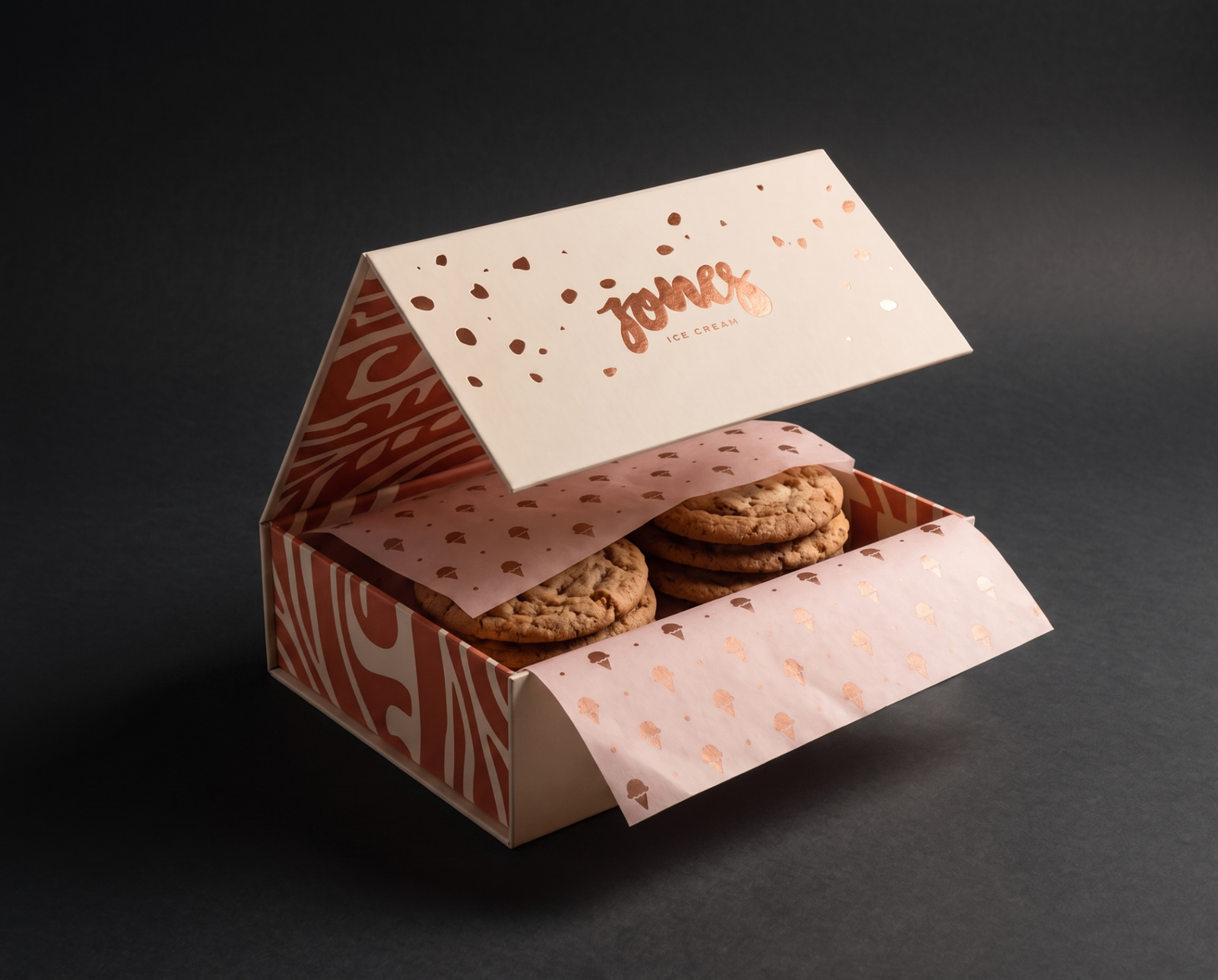
What’s possible
The unboxing is the brand.
Mailer boxes, rigid gift boxes, sleeves and printed tissue — with finishes inside and out. We'll engineer the structure and the feel.
Mailer & rigid
E-comm shippers to gift boxes.
Foil & soft-touch
Finishes that feel premium.
Printed interiors
A surprise when it opens.
Inserts & tissue
Complete the unboxing.
Why Peppermint
A human guides every custom order.
A human verifies everything
We confirm your files, materials and finishes will print before you ever pay.
Access to exotic materials
Papers, foils and techniques most printers cannot or will not offer.
A free proof, every time
Nothing goes to press until you approve exactly what you will get.
Custom custom boxes FAQ
Yes — custom packaging is engineering as much as design. A specialist works out the structure, dieline and fit for your product, and you approve a physical sample before the full run.
Need the box artwork designed?
Our design team redraws your artwork as clean, layered, press-ready files so every plate, die and colour can be produced properly.
Explore more
Hang Tags
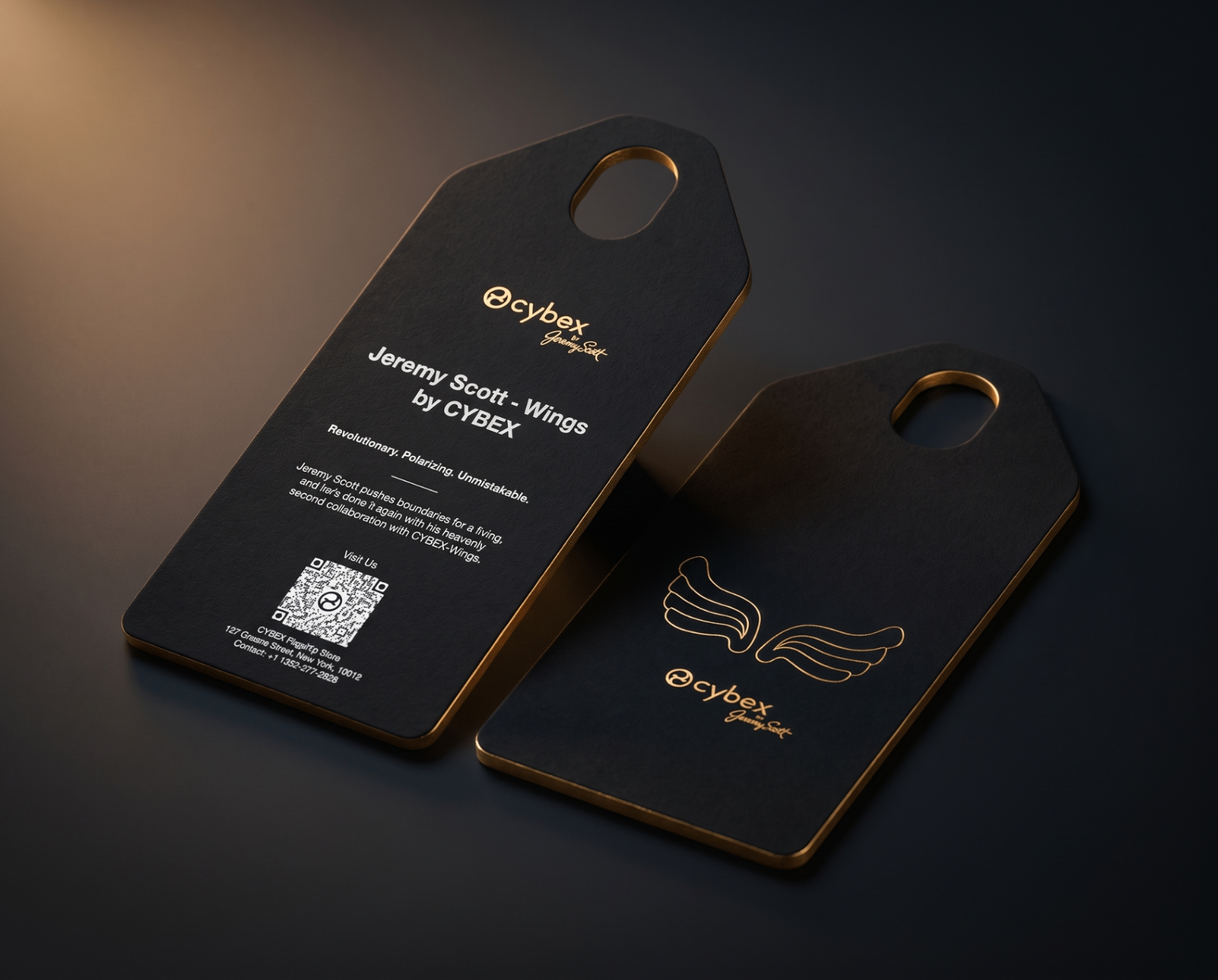
Strung tags for apparel and retail with foil, letterpress and custom shapes.
View hang tags →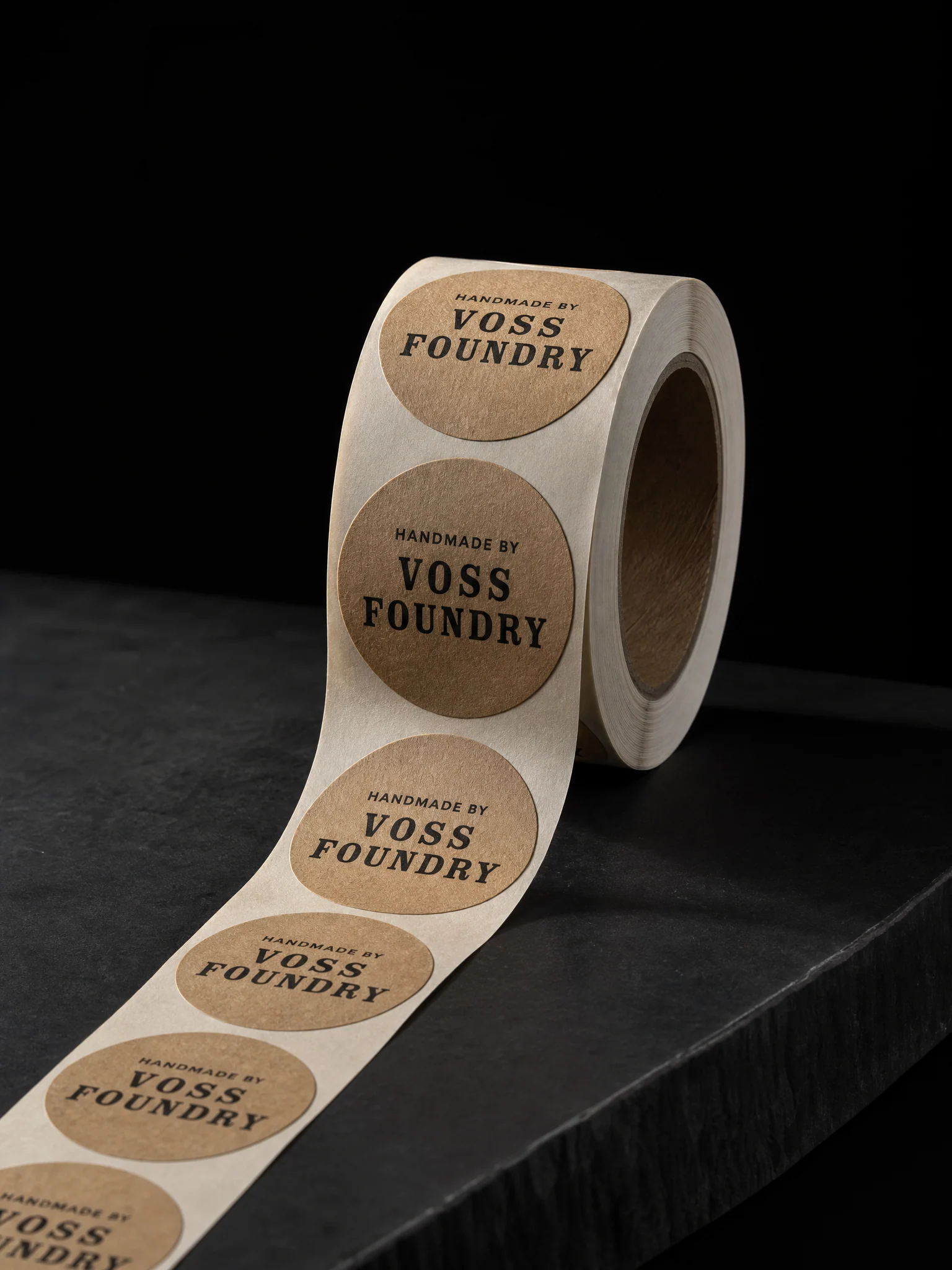
Labels
Address labels, return labels and product labels on premium adhesive stock.
View labels →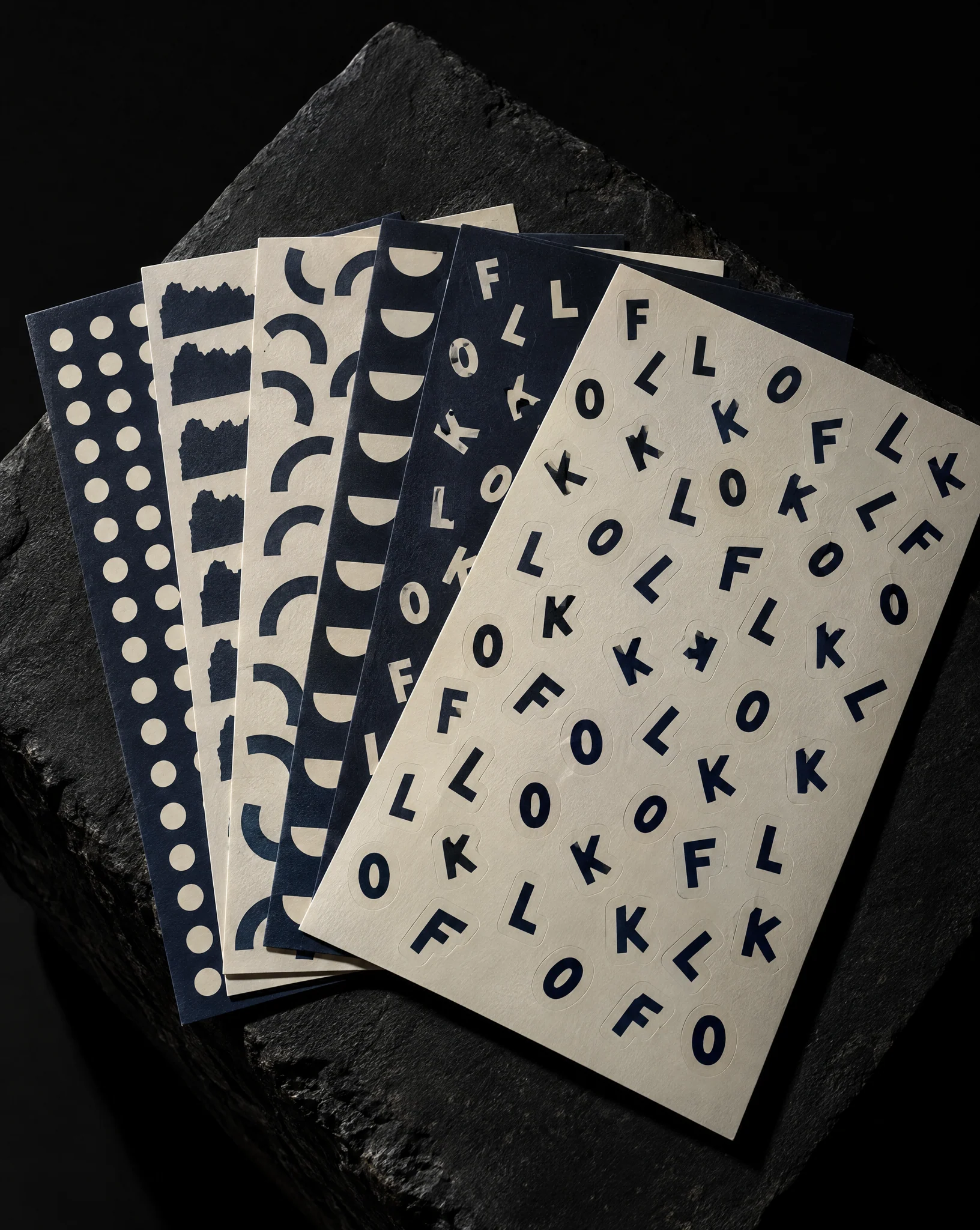
Stickers & Seals
Foil, clear, holographic, kiss-cut stickers and stamped foil seals.
View stickers & seals →A box is the only piece of print your customer holds with both hands. Ours come two ways: mailer boxes that fold flat and ship, and rigid gift boxes that arrive already built and never collapse. Foil, soft-touch finishes, printed interiors, sleeves, tissue and inserts. We engineer the structure alongside the artwork, because a beautiful dieline that doesn't close cleanly is just an expensive puzzle.
Mailer or rigid changes everything about how the box feels
A mailer box is corrugated board, scored and creased so it folds flat, snaps into shape and locks with a tuck. It's the e-comm shipper: light, sturdy, no void fill required if the fit is right. Weight is in the flute.
A rigid box is a different animal. Chipboard walls, wrapped in printed paper, assembled before it ever reaches you. It doesn't fold and it doesn't flex. That's the sensation people read as a gift rather than a delivery.
Tell us the product, its weight and how it travels. We'll recommend one and explain why the other was wrong.
Foil and soft-touch behave differently on board than on paper
Soft-touch lamination is the finish people remember: a suede-like drag under the fingers, no gloss. Here's the part nobody mentions until it's too late. On a deep navy or near-black box, soft-touch records every fingerprint and every scuff the courier gives it. The box that looked perfect on your desk arrives at a customer marked.
We plan around it. Lighter base colours, or a matte laminate that hides handling, or foil placed where hands won't land. Foil itself wants a smooth surface: on kraft corrugated the flute can telegraph faintly through large solid stamps, so we keep foil tight and graphic rather than sprawling.
The inside is where the box earns its money
Printed interiors cost less to add than most people assume, because the sheet is already on press. Flip the lid and there's colour, a pattern, a line of copy nobody expected. That moment is the whole reason to print a box instead of buying a blank one.
Orientation is the landmine. On a mailer, the interior artwork has to be positioned against the dieline so it reads right-way-up when the lid swings open, not when the sheet lies flat. We handle that mapping.
Inserts hold the product still. Printed tissue slows the reveal down. Together they turn opening into a sequence.
Common questions
Work on the dieline, not a flat rectangle. We supply the template once the structure is set, and you build artwork on it in vector with foil and soft-touch areas on separate named layers so the press knows what gets which treatment. Photography and gradients are fine on the printed paper wrap.